
Understanding the duration that CBD remains detectable in your body is essential for users ranging from wellness enthusiasts to those concerned about drug testing. CBD, or cannabidiol, has surged in popularity due to its potential therapeutic effects without the psychoactive influence associated with THC. However, questions about its duration in the system, metabolism, and detection by drug tests remain common. Several interconnected variables, including individual biology, frequency of use, and product type, determinatively influence how long CBD stays within your body’s system. Exploring these facets provides clarity on what to expect following consumption, aids in making informed decisions about choosing the right CBD product, and helps mitigate concerns related to clearance and detection times.
Cannabinoids Metabolism and the Half-Life of CBD: Scientific Perspectives on Duration
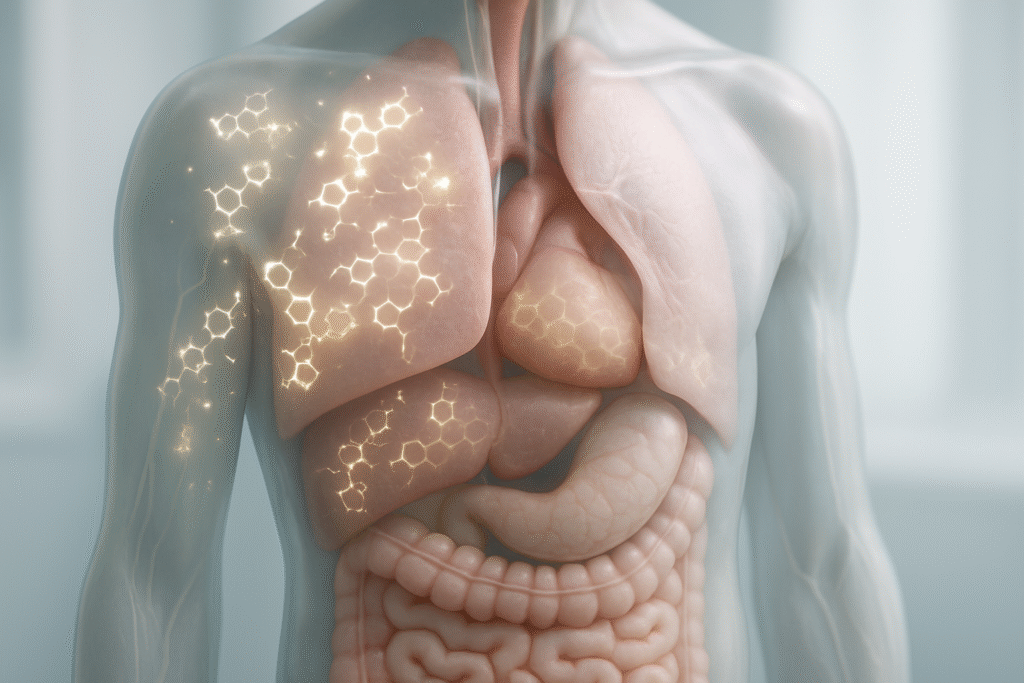
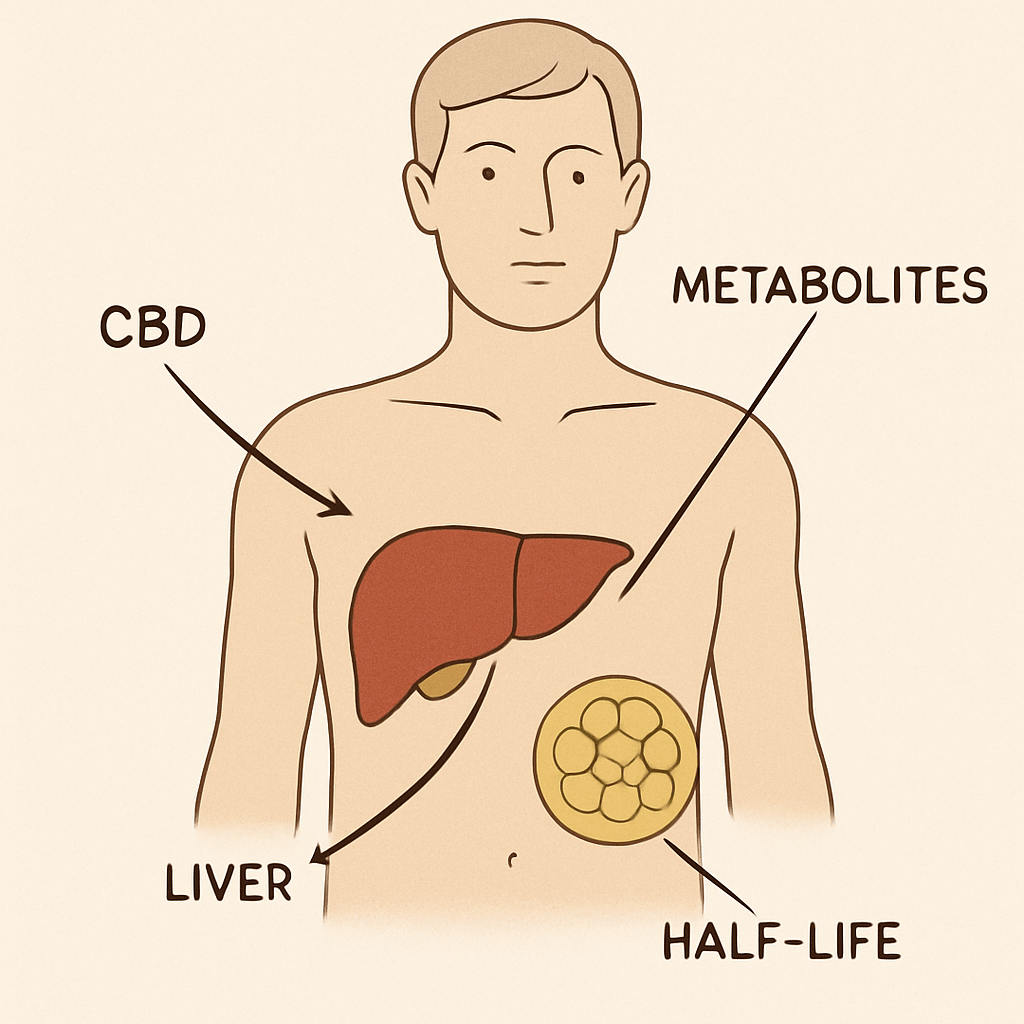
The metabolism of cannabinoids such as CBD involves complex biochemical processes that dictate the compound’s persistence within the human body. Unlike many substances that are water-soluble and rapidly excreted, CBD is lipophilic, meaning it dissolves in fats and binds with fat tissues. This characteristic fundamentally influences the half-life of CBD—the time it takes for the concentration of CBD in the bloodstream to decrease by half.
Scientific studies show that the half-life of CBD can vary significantly based on mode of consumption and individual differences. For example, in human plasma, CBD’s half-life has been estimated to be approximately 134 hours (~5.5 days) after oral administration. This relatively extended half-life indicates that while the immediate effects may dissipate within hours, residual amounts can remain detectable in the body for days.
Several factors impact CBD’s metabolism and subsequent clearance time:
- Dosage: Higher doses of CBD require more time to metabolize, leading to longer detection windows.
- Frequency of Use: Regular or chronic users often experience a buildup of cannabinoids in fat stores, prolonging presence in the system.
- Individual Metabolism: Variability in liver enzyme activity, influenced by genetics and health status, affects how quickly CBD is processed.
- Body Fat Composition: Since CBD binds to fat, those with higher body fat percentages typically retain cannabinoids longer.
- Method of Consumption: Products absorbed through the digestive tract (edibles, capsules) are metabolized slower than inhalable or sublingual forms, altering the detection timeframe.
For instance, a single dose of CBD oil taken sublingually might clear from the bloodstream within a day or two, whereas consistent use of CBD capsules or tinctures could result in detectable metabolites lingering for a week or more. This understanding aids consumers in estimating the clearance time relevant to their particular usage patterns.
Referencing the growing body of research can illuminate how the concentration curve of CBD evolves over time. While immediate therapeutic effects typically last several hours, the compound’s presence in fat tissues causes slow elimination. This prolonged absorption explains why some drug testing protocols might detect CBD or its metabolites days after cessation, especially with frequent usage.
| Factor | Impact on CBD Duration |
|---|---|
| Dosage | Higher dosage = longer persistence |
| Use Frequency | Frequent use extends detection |
| Metabolic Rate | Faster metabolism = quicker clearance |
| Body Fat Percentage | More fat = longer storage duration |
| Product Type | Ingested forms last longer than inhaled |
The Complexities of Drug Testing: Will CBD Show Up on a Blood Test or Urine Test?
One of the most frequently asked questions by CBD users is whether CBD use can lead to a positive drug test. Understanding the substances targeted in these tests and the distinction between CBD and THC is vital.
Standard drug tests, such as urine tests and blood tests, are primarily designed to detect metabolites of Delta-9 THC, the psychoactive cannabinoid responsible for the “high” associated with cannabis use. In contrast, pure CBD products, especially broad-spectrum or isolate forms, typically contain negligible or no THC, reducing the likelihood of detection in conventional screenings.
However, the situation is nuanced due to:
- Trace THC content in full-spectrum CBD products: Full-spectrum extracts contain less than 0.3% THC by dry weight, which may accumulate in the body over frequent use.
- Cross-reactivity in testing: Some immunoassay drug tests can mistake certain cannabinoid metabolites for THC metabolites.
- Type of test and detection window: Urine tests detect THC-COOH metabolites, typically present days to weeks after THC use. Blood tests have shorter detection windows but assess recent exposure.
For example, a user who has taken a full-spectrum CBD product daily for several weeks may have detectable THC metabolites in their urine test even if they did not consume high-THC cannabis. Conversely, someone using CBD isolate or broad-spectrum products, which are THC-free or contain Non-Detect THC, stands a lower risk of THC-related positive tests.
Additionally, hair follicle tests can detect cannabinoid use over longer timescales (up to 90 days), but these are less commonly used for routine screening and are costly. Saliva tests, focusing on recent usage, are another option but also primarily screen for THC presence.
To minimize the risk of testing positive, users should be diligent about product selection, dosage control, and staying informed about the types of tests being administered.
| Drug Test Type | Detection Window | Primary Detection Target | Likelihood to Detect CBD |
|---|---|---|---|
| Urine Test | Several days to a week or more | THC-COOH metabolites | Very Low, unless THC present in product |
| Blood Test | Hours to days | THC (recent use) | Very Low |
| Hair Follicle Test | Up to 90 days | THC and metabolites | Low |
| Saliva Test | 24 to 72 hours | THC (recent use) | Very Low |
How Consumption Method Influences CBD Effects and Duration in Your System
The variety of CBD consumption methods available today significantly affects how quickly and for how long CBD remains active and detectable in the body. Understanding these differences helps users choose products tailored to their lifestyle and wellness goals.
Here are common methods of CBD intake and their impact on duration and detection:
- Oral ingestion (capsules, edibles, tinctures): CBD passes through the digestive system, resulting in slower onset of effects but longer-lasting presence due to gradual absorption.
- Sublingual application (CBD oil drops): Absorbed directly into the bloodstream under the tongue, offering quicker effects and shorter retention times.
- Inhalation (vaping, smoking): Provides rapid absorption into blood via lungs, rapid onset, but shorter half-life in the bloodstream.
- Topicals: Applied to the skin, these products act locally and are less likely to enter the bloodstream in meaningful quantities.
For example, someone using sublingual CBD oil may experience effects starting within minutes, with clearance from the bloodstream occurring within a day or two. In contrast, ingesting CBD gummies or capsules involves liver metabolism before absorption, which slows the rate but may extend the detection window.
Understanding these differences contributes to better management of expectations regarding both the therapeutic effects and potential interference with drug tests. Users looking for quick relief might prefer inhalation or sublingual products, while others seeking longer-lasting benefits could favor oral forms.
| Consumption Method | Onset of Effects | Duration of Effects | Typical Clearance Time |
|---|---|---|---|
| Inhalation | Seconds to minutes | 1-3 hours | 24-48 hours |
| Sublingual | 15-30 minutes | 4-6 hours | 1-3 days |
| Oral ingestion | 30 minutes to 2 hours | 6-8 hours | Several days |
| Topicals | Varies (localized) | Varies | Minimal systemic detection |
Strategies to Support CBD Clearance and Minimize Drug Test Detection Risk
With growing use of CBD for wellness purposes—including enhancing sleep quality or managing stress—a thorough grasp of how to help your body eliminate cannabinoids more effectively is valuable. While no method guarantees complete and rapid elimination, certain lifestyle practices can assist the natural metabolic processes responsible for CBD clearance.
Key strategies include:
- Hydration: Drinking plenty of water supports kidney function and helps flush metabolites through urine.
- Exercise: Engaging in regular physical activity, especially aerobic and high-intensity workouts, helps metabolize fat where cannabinoids are stored.
- Dietary fiber intake: A high-fiber diet promotes digestion and supports liver and intestinal processing of cannabinoid metabolites.
- Sauna sessions: Sauna use increases circulation and sweating, potentially aiding detoxification.
- No excessive dilution: Avoid overhydration before drug tests, as excessively diluted urine may be flagged and lead to test complications.
Implementing these habits as part of your routine can enhance your body’s ability to process and eliminate CBD, shortening its presence in your system. For those using CBD consistently or in high doses, timing cessation well in advance of anticipated drug screening is advised.
| Strategy | Effect on CBD Clearance | Notes |
|---|---|---|
| Hydration | Supports renal elimination | Balance is key; avoid excessive dilution |
| Exercise | Increases fat metabolism | May transiently increase bloodstream levels |
| Diet | Enhances liver processing and excretion | Focus on fiber, antioxidants, low sugar |
| Saunas | Promotes sweating and circulation | Useful adjunct detox method |
Understanding the Benefits of CBD and Navigating Detection Concerns
As awareness of CBD’s wellness applications broadens — from supporting anxiety management to enhancing overall wellbeing — it is crucial to balance these benefits with a clear understanding of how CBD interacts with the body’s system and how detection timing may influence usage decisions. Insurance, employment testing, or sports regulations in 2025 often necessitate user awareness about cannabinoid retention.
Choosing high-quality, rigorously tested products is paramount for those conscious of drug detection risk. Brands that provide third-party Certificates of Analysis enable consumers to verify THC content and avoid unintentional ingestion of trace psychoactive compounds.
For those interested in the therapeutic potential without the challenges associated with drug testing, CBD isolates or broad-spectrum products offer effective alternatives that maintain CBD’s benefits without detectable levels of THC. Furthermore, ongoing evaluation of personal response, metabolism, and dosing ensures a personalized and safe experience.
- Consider product transparency: Seek products with accessible laboratory results.
- Monitor dosage: Use the lowest effective dose to minimize residual buildup.
- Recognize testing policies: Stay informed about workplace or recreational testing requirements.
- Consult healthcare providers: Professional guidance helps optimize CBD use and safety.
With these tools, consumers can confidently integrate CBD as part of their wellness routines while managing concerns about duration in the body and test detection. Exploring the diverse applications of CBD, including its role in improving sleep and reducing anxiety, empowers users to better customize their regimen.
How long does CBD typically stay detectable in urine?
CBD itself is rarely targeted in routine drug screenings, but metabolites may be present for a few days up to a week, depending on use frequency and dose.
Will CBD cause a positive THC drug test?
Pure CBD products without THC content generally do not cause positive tests, but full-spectrum CBD containing trace amounts of THC might result in positive results depending on dosage and frequency.
Does the method of CBD consumption affect how long it stays in your body?
Yes, inhaled and sublingual CBD generally clear more quickly than orally ingested forms, as digestive metabolism slows absorption and clearance.
Can exercise help eliminate CBD from the system faster?
Exercise increases metabolism and fat burning, which can aid cannabinoid clearance, but it may initially release stored cannabinoids back into the bloodstream temporarily.
Are there CBD products designed to avoid drug test detection?
Yes, broad-spectrum and CBD isolate products are formulated to exclude THC, reducing the chance of positive drug tests.