
In recent years, the surge of interest in natural remedies has reshaped how individuals approach their health, gradually steering away from conventional pharmaceuticals toward plant-based alternatives. Among these natural compounds, CBD has emerged from obscurity to become a cornerstone in discussions about holistic wellness. Rooted in the cannabis plant yet devoid of psychoactive effects, cannabidiol (CBD) offers a compelling promise for those seeking to harmonize body, mind, and spirit through alternative therapy. This pivotal rise aligns with the broader cultural and scientific recognition of holistic health—an approach that integrates physical, emotional, and spiritual factors into wellness strategies. Understanding the unique position of CBD within this panorama reveals its role not simply as a remedy, but as a catalyst enhancing the synergy of natural treatments.
More than a fleeting trend, CBD’s integration into holistic health routines reflects growing empirical support, legal acceptance, and consumer demand for plant medicine. This shift is evident across various demographics, where CBD serves as a tool for pain relief, anxiety management, and overall well-being, elevating the prospects of cannabinoids as core components of natural wellness. Leveraging CBD’s therapeutic potential encourages a multi-faceted approach, combining it with herbal supplements and lifestyle adjustments to foster enduring balance. With the evolution of industry standards and enhanced third-party testing, the accessibility of high-quality CBD products invites a wider audience to experience its possibilities in comprehensive health regimens.
Understanding CBD and Its Role in the Body’s Holistic Balance
Cannabidiol, or CBD, derives from the cannabis plant but, unlike THC, does not induce intoxication. Instead, it interacts harmoniously with the endocannabinoid system (ECS), a complex cell-signaling system responsible for regulating core functions such as inflammation, pain sensation, mood stability, and immune responses. This system plays a crucial role in maintaining the body’s homeostasis, providing a biological foundation that underscores CBD’s place in holistic health.
The ECS consists chiefly of receptors (CB1 and CB2) spread across the nervous system and immune cells, interacting with endogenous cannabinoids produced by the body. CBD influences these receptors indirectly, modulating the ECS’s effectiveness without directly binding to them, which explains its unique capacity to balance functions without disrupting mental clarity. Numerous studies from 2023 to 2025 have identified CBD’s anti-inflammatory, analgesic, and anxiolytic properties, making it popular for alternative therapy related to pain and mental health conditions.
Illustrative Table: Key ECS Functions and CBD Influence
| Endocannabinoid System Function | Role in Holistic Health | CBD’s Modulatory Effects |
|---|---|---|
| Inflammation regulation | Controls immune response and chronic inflammation | Reduces pro-inflammatory cytokines, easing conditions like arthritis |
| Pain perception | Processes pain signals | Alleviates neuropathic and chronic pain without narcotic side effects |
| Mood and anxiety balance | Governs stress responses and emotional regulation | Supports anxiety management by interacting with serotonin receptors |
| Sleep cycle regulation | Ensures restorative sleep | Helps stabilize circadian rhythm and promote relaxation |
When considering CBD side effects and safety profiles, it is reassuring that most users experience minimal adverse effects when consuming recommended dosages. However, informed consumption via reputable sources and proper guidance remains essential to maximize benefits and avoid interactions.
Holistic Integration of CBD
CBD’s adaptability allows it to integrate effortlessly with other natural remedies and daily wellness practices. Users often combine it with lifestyle changes like stress management, diet improvements, and mind-body practices, contributing effectively to both mental and physical health. This multifaceted support illustrates why so many turn to CBD as a key component of their holistic health toolkit.
Synergy of CBD with Herbal Supplements and Plant Medicine for Enhanced Wellness
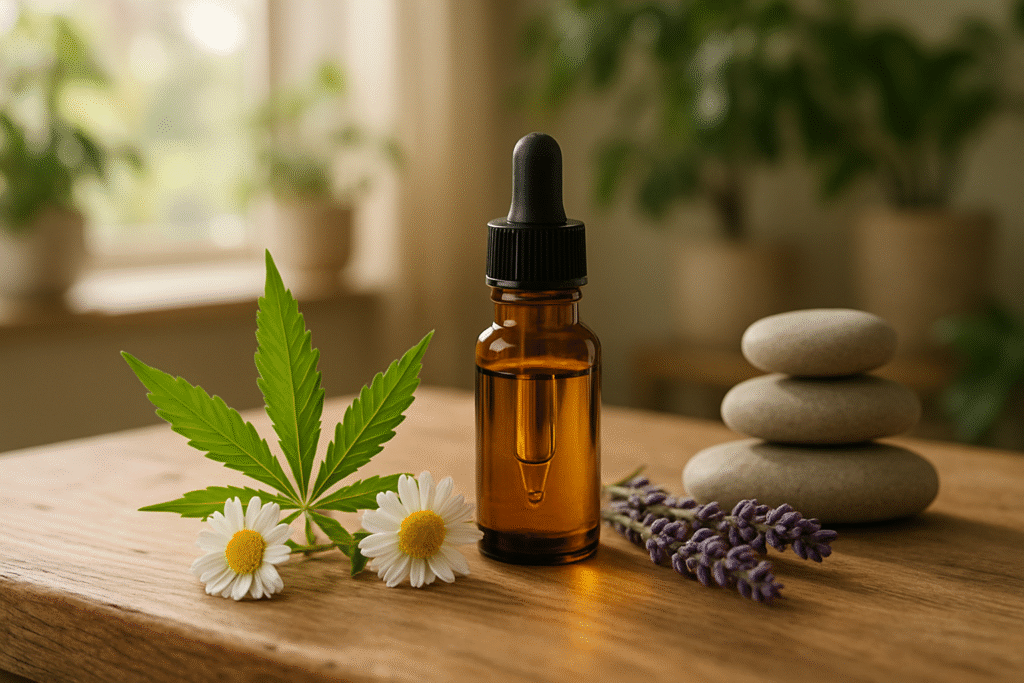
The intersection between CBD and traditional herbal supplements exemplifies how combining plant compounds can enhance therapeutic outcomes. Various herbs possess properties that complement CBD’s effects by targeting similar or complementary pathways in the body. This synergy exemplifies the essence of holistic health—seeing wellness as a tapestry woven from multiple supportive threads.
Examples of Synergistic Combinations
- Turmeric and CBD: Both are potent anti-inflammatory agents. Turmeric’s curcumin enhances CBD’s ability to reduce cytokine activity, providing amplified relief from arthritis and other inflammation-related discomforts.
- Lavender and CBD: Lavender is prized for its calming, anxiety-reducing effects, which perfectly align with CBD’s anxiolytic properties, offering an enhanced remedy for stress and mood disorders.
- Chamomile and CBD: When used together, chamomile’s sleep-inducing qualities and CBD’s potential sleep cycle regulation can create powerful, natural support for those struggling with insomnia.
Herbal Supplement Benefits Linked to CBD
| Herb | Traditional Use | Complementary Effect with CBD |
|---|---|---|
| Turmeric | Anti-inflammatory and antioxidant | Enhances pain relief and reduces inflammation synergistically |
| Lavender | Anxiety relief and relaxation | Boosts calming and anti-anxiety effects |
| Chamomile | Sleep aid and calming | Supports better sleep quality and relaxation |
This complementary use of CBD with full spectrum CBD products and specific herbal remedies contributes to safer pain relief and emotional balance, advancing traditional knowledge with modern science.
Incorporating CBD into Holistic Wellness Practices: Yoga, Aromatherapy, and Nutrition
The potential of CBD expands as it is incorporated into established wellness routines, including mind-body therapies and nutritional improvements essential to holistic health. These combinations foster both physiological and psychological rejuvenation, nurturing comprehensive well-being.
Yoga and CBD: A Combined Approach for Mental Calm and Physical Flexibility
Yoga is renowned for promoting flexibility, stress reduction, and psychological equilibrium. Pairing yoga sessions with CBD intake—especially products designed for stress relief—may deepen relaxation and lower anxiety levels. Anecdotal reports frequently cite improved focus and diminished physical discomfort during practice when CBD is involved, suggesting its effectiveness as a complementary therapy. Integrating mindful breathing with CBD’s ECS modulation presents a powerful tandem.
Aromatherapy Coupled with CBD for Enhanced Emotional Health
Essential oils like lavender and chamomile contribute significantly to aromatherapy’s calming effects. When combined with CBD, these oils may augment the experience of relaxation and support mood stabilization. Some wellness centers now incorporate this dual approach, utilizing diffusers alongside topical CBD products to maximize emotional benefits.
Nutrition’s Role in Supporting CBD’s Effects
- Consuming a balanced diet enriched with antioxidants bolsters the body’s defenses against oxidative stress, complementing CBD’s anti-inflammatory impact.
- Integrating omega-3 fatty acids, minerals, and vitamins can enhance ECS functionality, indirectly potentiating CBD’s effects.
- Adopting whole-food plant-based diets aligns with the philosophy behind plant medicine and holistic healing, creating a foundation where CBD’s potentials are fully realized.
Tables detailing the integration of CBD with lifestyle elements help clarify these synergies and guide practical application.
Table: Holistic Practices Enhancing CBD Benefits
| Wellness Practice | Key Benefits | How CBD Enhances Effects |
|---|---|---|
| Yoga | Improves flexibility, reduces stress | Amplifies relaxation and supports anxiety management |
| Aromatherapy | Promotes calm and emotional stability | Enhances mood and relaxation synergistically |
| Nutrition | Supports immune and metabolic health | Potentiates anti-inflammatory and ECS support |
Best Practices for Choosing and Using CBD in Holistic Health Routines
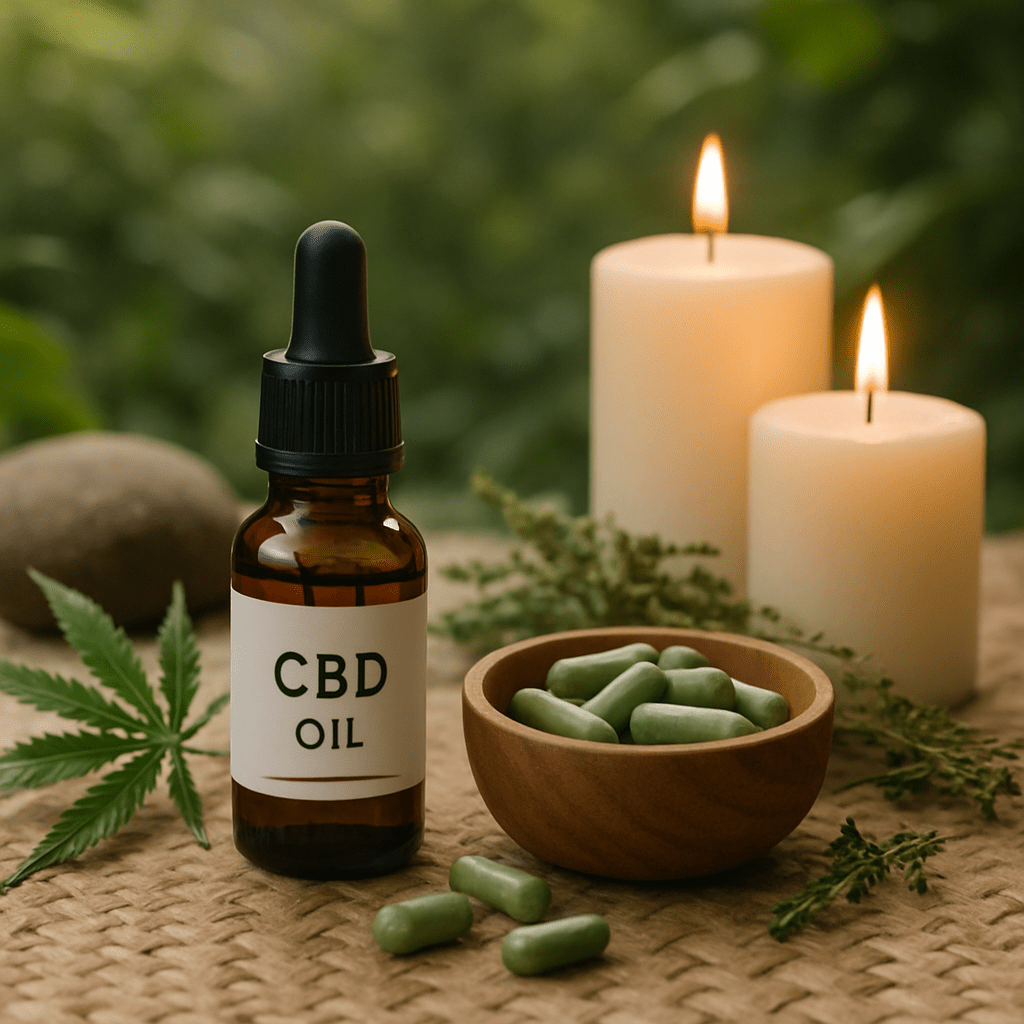
As consumers embrace CBD’s benefits, choosing the right products and integrating them wisely becomes critical. Not all CBD products are created equal, and understanding quality indicators is essential to safely reap therapeutic advantages. The presence of full or broad-spectrum cannabinoids, verified purity, and absence of harmful contaminants are crucial evaluation points.
- Opt for third-party tested products: Reputable companies provide transparent third-party lab reports confirming concentrations of cannabinoids and absence of toxins.
- Understand CBD isolates versus full spectrum: Full spectrum products contain additional cannabinoids and terpenes, potentially offering enhanced efficacy through the “entourage effect.” More information about these differences is available to help guide choices.
- Check legal compliance: With varying regulations even within Europe, being aware of the CBD legal status in Europe ensures safe and legal purchase and use.
- Consult healthcare professionals: Especially important when combining CBD with medications or other herbal supplements, to avoid interactions.
Such careful selection rooted in science and transparency enhances the safety profile of CBD as a natural remedy aligned with holistic principles.
Exploring Emerging Research and the Future of CBD in Holistic Medicine
Scientific inquiry into CBD’s role within natural remedies continues to expand rapidly. Recent studies focus on fine-tuning dosage efficacy, interactions with novel plant compounds, and long-term impacts on chronic disease management. This emerging research fuels the broad acceptance of CBD as a legitimate supportive therapy in alternative health systems.
Forward-looking approaches also investigate the integration of CBD with other botanical therapies, potentially increasing the effectiveness of plant medicine overall. This evolving perspective supports a future where individualized, holistic protocols incorporate cannabinoids alongside traditional and modern healing strategies for optimal wellness.
Research Highlights and Trends
- Novel delivery methods such as nanotechnology-enhanced CBD formulations are improving bioavailability.
- Clinical trials targeting neurodegenerative diseases and inflammatory disorders are underway.
- Integration with dietary phytochemicals to discover synergistic effects resonates with holistic philosophies.
| Research Area | Focus | Potential Impact |
|---|---|---|
| Bioavailability Improvements | Nanotechnology and novel carriers | Greater efficacy and patient compliance |
| Chronic Disease Clinical Trials | Neurodegeneration, autoimmune diseases | Expanded therapeutic indications |
| Synergistic Botanical Therapies | Combining CBD with other plant compounds | Enhanced holistic treatment protocols |
These advances are likely to redefine how natural remedies like CBD fit into mainstream and integrative health models in the coming years.
How does CBD support pain relief in holistic health?
CBD interacts with the endocannabinoid system to reduce inflammation and modulate pain signals, offering a natural alternative to traditional pain medications. Its combination with anti-inflammatory herbs like turmeric can enhance these effects.
What should I consider when choosing CBD products?
Look for products with transparent third-party testing, understand the benefits of full spectrum versus isolate CBD, and ensure legal compliance. Consulting healthcare providers is recommended, especially if you take other medications or supplements.
Can CBD be combined with other natural remedies?
Yes, CBD often works synergistically with herbal supplements such as lavender and chamomile to promote anxiety relief and better sleep, supporting a more comprehensive approach to holistic health.
Are there risks or side effects related to CBD use?
Most users experience minimal side effects, but some may encounter mild issues such as dry mouth or fatigue. Awareness and proper dosing are key, and information on CBD side effects and risks should be reviewed before starting.
How does CBD fit into a holistic wellness routine?
CBD complements mind-body practices like yoga and aromatherapy, and enhances benefits of a nutrient-rich diet, supporting overall balance in physical, mental, and emotional health.