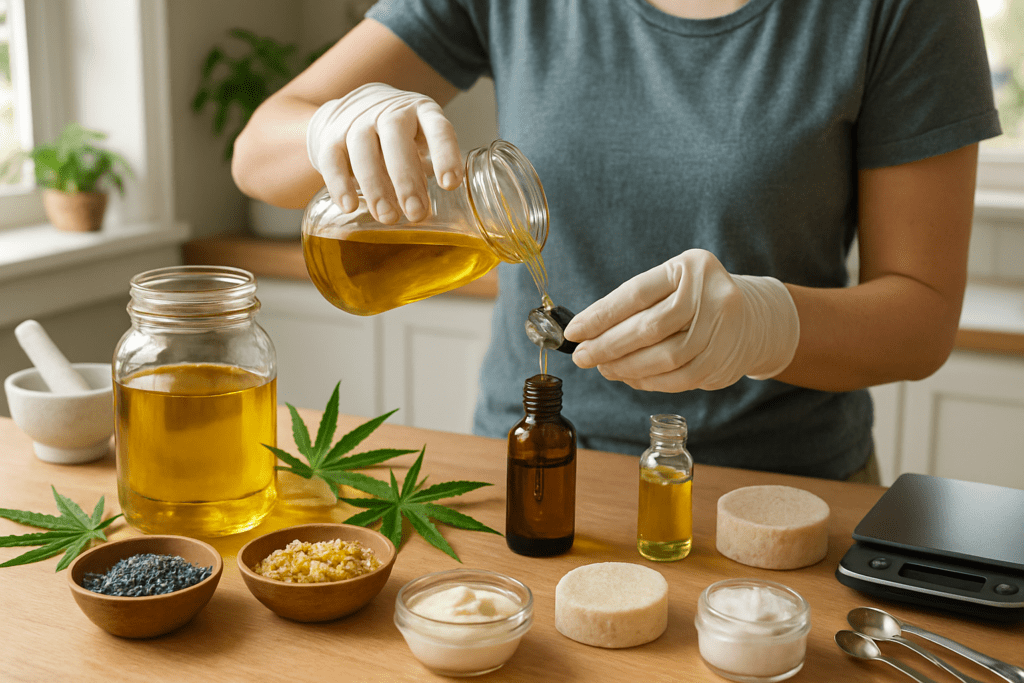

The ongoing shift towards natural wellness solutions has propelled CBD-infused products to the forefront of self-care. Home enthusiasts and professionals alike are discovering the enriching world of homemade cannabinoids, mastering the art of crafting safe and effective DIY CBD products tailored to individual needs. This movement not only emphasizes control over ingredient quality but also invites creativity with cannabis infusion techniques. Whether it’s producing gentle CBD tinctures or whipping up infused edibles, the possibilities in creating personalized remedies and treats are vast and exciting.
Embarking on this journey requires embracing both tradition and innovation in CBD oil extraction methods, as well as understanding the nuances of dosage and safety. Today’s wellness enthusiasts prioritize transparency and quality in their hemp-derived products. Harnessing this knowledge ensures that consumers enjoy the full spectrum of benefits these products offer, including stress relief and skin care enhancements. Each product type demands a tailored approach—from topical CBD recipes for soothing aches to delightful edibles that uplift mood and manage discomfort. This article explores those strategies and techniques in depth, empowering readers to craft bespoke CBD-infused creations confidently.
Mastering CBD Oil Extraction for Quality Homemade Cannabinoids
To create effective DIY CBD products, the journey begins with extracting potent and clean CBD oil. Understanding CBD oil extraction methodologies is critical for ensuring purity, potency, and safety. The extraction process separates cannabinoids like CBD from the hemp plant’s fibrous material, concentrating the beneficial compounds essential for your infused product.
Among the most popular methods for home crafting are solvent extraction techniques, CO2 extraction, and oil infusion. Solvent extraction commonly uses ethanol or grain alcohol to dissolve cannabinoids; it is favored for its simplicity at a home scale. CO2 extraction, although more technical, offers a solvent-free and highly pure oil but requires specialized equipment. Oil infusion, where cannabis is steeped in carrier oils like olive or coconut, is a time-honored, accessible method that’s excellent for beginners.
Each method impacts the final product’s characteristics differently. Oil infusion typically provides a milder potency but produces an oil suitable for topical and edible applications. Solvent extraction can yield stronger oils but risks residual solvents without proper technique. CO2 extraction yields a clean, efficient concentrate, ideal for tinctures and precise dosing.
Key benefits of mastering CBD oil extraction at home include:
- Custom potency: Adjust the concentration of CBD according to desired effects.
- Purity assurance: Avoid additives or unknown compounds often present in mass-market products.
- Cost-effectiveness: Reduce expenses by extracting from raw hemp material.
- Creative flexibility: Tailor oils for different uses such as CBD tinctures or topical mixtures.
Critical steps for safe CBD preparation:
- Source hemp certified for CBD content and free from contaminants.
- Use food-grade solvents or carrier oils to maintain safety.
- Control temperature to avoid degradation of cannabinoids and terpenes.
- Properly purge solvents if used, to eliminate any residue.
| Extraction Method | Equipment Needed | Potency | Safety Considerations | Best Uses |
|---|---|---|---|---|
| Oil Infusion | Double boiler or slow cooker | Moderate | Low risk, food safe oils essential | Topicals, edibles, tinctures |
| Solvent Extraction | Glass jars, food-grade ethanol | High | Risks from residual solvents | Concentrates, tinctures |
| CO2 Extraction | Specialized CO2 extraction machine | Very High | Requires precise operation | Pure oils, clinical-grade products |
Understanding these nuances allows creators to select the ideal extraction method based on their goals, resources, and product vision. For those interested in expanding their knowledge about CBD benefits in crafted products, resources such as understanding the benefits of infused products offer invaluable insights to optimize your homemade cannabinoids efficiently.
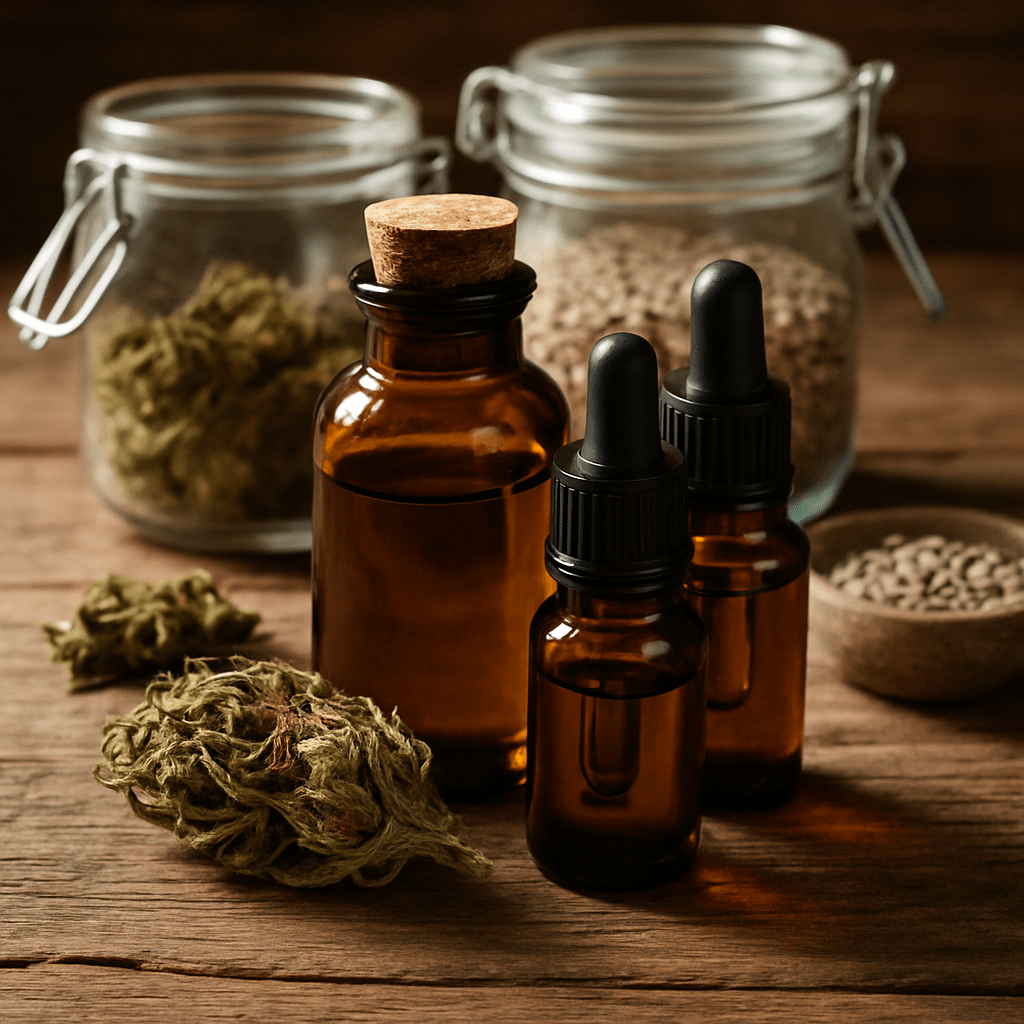
Crafting Effective CBD Tinctures: Techniques and Dosage Guidelines
CBD tinctures remain among the most versatile and user-friendly DIY CBD products. Their liquid form allows for precise dosage control while being easy to incorporate into daily wellness routines. Creating an effective tincture at home involves carefully combining CBD oil extracts with carrier liquids, typically alcohol or glycerin, to maximize absorption and shelf stability.
For those new to this craft, starting with a base of high-quality extracted CBD oil is essential. The tincture preparation generally follows a simple infusion process where the CBD oil is blended with the carrier and sometimes enhanced with flavorings such as mint or citrus extracts. This method preserves the CBD while allowing easy sublingual administration, offering rapid effect onset.
A detailed approach to dosage guidelines should be integral to tincture crafting. Since CBD potency varies, depending on extraction method and plant material, standardizing dosing is crucial to safety and effectiveness. A common recommendation is beginning with a daily dose of 5-10 mg of CBD and adjusting incrementally based on response.
- Basic tincture crafting steps:
- Decide on potency desired and measure CBD oil accordingly.
- Choose your carrier liquid (alcohol for faster absorption, glycerin for sweetness and mild effects).
- Mix thoroughly and bottle in dark glass containers to protect from light.
- Label with strength, date, and recommended use.
Understanding CBD dosage guidelines:
- Start low and gradually increase to monitor tolerance.
- Dosage varies based on individual factors: weight, metabolism, and condition treated.
- Consult educational resources to align dosage with specific wellness goals.
| User Profile | Starting Dosage | Recommended Increment | Possible Effects |
|---|---|---|---|
| New users | 5 mg/day | 2.5 mg/week | Calmness, reduced anxiety |
| Moderate users | 10-20 mg/day | 5 mg/week | Pain relief, enhanced focus |
| Experienced users | 20-50 mg/day | 10 mg/week | Muscle relaxation, sleep aid |
For additional guidance on achieving optimal results integrating tinctures into your regimen, understanding the benefits and uses of CBD provides well-rounded information on balancing dosage with lifestyle. Tinctures’ adaptability also opens doors to combining them with other wellness products, such as topical CBD preparations or edible forms for internal and external therapeutic effects.
Exploring Infused Edibles: Creative Recipes and Safety Considerations
Transforming CBD oil into infused edibles is a popular route for those seeking a flavorful and discreet way to consume cannabinoids. From baked goods to beverages and candies, the opportunities for crafting personalized edibles are nearly endless. Home chefs engaging in this process not only bring healthful benefits but also the joy of culinary creativity.
When making infused edibles, understanding the impact of heat on cannabinoids is paramount. CBD begins to degrade beyond approximately 320°F (160°C), so recipes must be tailored to preserve the potency. Lower cooking temperatures, shorter baking times, or post-cooking infusion methods help maintain CBD efficacy.
Popular homemade infused edibles include:
- CBD brownies or cookies
- Herbal teas and infused smoothies
- Gummies or hard candies using infused syrups
- Salad dressings and sauces with gentle oil-infused extracts
Safety is a crucial concern in homemade cannabinoids, particularly regarding dosage and even distribution of CBD within the recipe. Accurate measurement and thorough mixing ensure each serving delivers a consistent dose, preventing accidental overconsumption. Labeling homemade edibles with dose estimates and storage instructions further enhances safe usage.
Essential tips for safe CBD infused edible preparation:
- Test potency of your CBD oil before starting.
- Calculate total CBD content relative to the recipe servings.
- Use non-stick or silicone molds to ease extraction and dosing accuracy.
- Store edibles in airtight containers away from heat and sunlight.
| Ingredient | Recommended CBD Dose | Recommended Temperature | Approximate Infusion Time |
|---|---|---|---|
| Butter or cooking oil | 50-200 mg per batch | 160-220°F (70-105°C) | 30 to 60 minutes |
| Syrup or honey | 25-100 mg per batch | Below 140°F (60°C) | 5 to 15 minutes |
| Chocolate or candy base | 100 mg per batch | Below 120°F (49°C) | 10 to 20 minutes |
To explore more about the benefits and practical uses of infused edibles, you can refer to understanding CBD edibles benefits and uses. This knowledge supports crafting products that are both enjoyable and aligned with wellness goals, making homemade cannabinoids a joyful and satisfying endeavor.
Creating Topical CBD Recipes for Targeted Relief and Skin Benefits
Topical CBD recipes provide a direct approach to addressing localized discomfort and enhancing skin health. By applying CBD-infused creams, balms, or salves, users can harness the anti-inflammatory and antioxidant properties of cannabinoids effectively. Homemade topical CBD products allow customization for various applications, from soothing muscle tension to hydrating acne-prone or sensitive skin.
Successful topical formulations typically blend CBD oil extracted from quality hemp with skin-nourishing ingredients such as shea butter, jojoba oil, beeswax, and essential oils. These combinations not only help deliver cannabinoids to targeted areas but also contribute their own therapeutic benefits. For instance, incorporating lavender essential oil offers calming effects alongside CBD’s properties.
- Basic ingredients for topical CBD recipes:
- High-quality CBD oil or extract
- Carrier butters and oils
- Natural emulsifiers like beeswax
- Essential oils for fragrance and additional health benefits
When preparing topical products, temperature control is crucial. Heating ingredients too much can degrade cannabinoids, reducing their effectiveness. Gentle melting using a double boiler preserves the integrity of the constituents.
Key benefits include targeted relief without psychoactive effects and skin nourishment, which explains why research continues to support the understanding topical CBD benefits and applications. For individuals wanting to explore natural skincare routines enhanced by cannabinoids, designing homemade CBD balms and creams provides a potent alternative to commercial products.
| Ingredient | Purpose | Typical Proportion | Notes |
|---|---|---|---|
| CBD oil | Primary active cannabinoid component | 5-15% by weight | Adjust for desired potency |
| Shea butter | Moisturizer and skin soother | 20-40% by weight | Rich in vitamins |
| Beeswax | Natural emulsifier and thickener | 10-20% by weight | Provides texture and stability |
| Essential oils | Aromatherapy and therapeutic effects | 1-5% by weight | Use sparingly |
Essential Cannabis Infusion Techniques and Safe Practices for DIY CBD Products
To excel in the craft of homemade cannabinoids, mastering cannabis infusion techniques is fundamental. These techniques determine the quality, potency, and safety of your products. Whether infusing oils for edibles or tinctures, or baking with CBD extracts, attention to detail ensures maximum benefit and minimal risk.
Important infusion techniques include optimizing temperature and duration, choosing appropriate carriers, and employing proper straining methods to remove plant residues. Common carriers like coconut oil, olive oil, or alcohol each influence the final product’s texture, flavor, and absorption rates.
Safety cannot be overstressed in DIY CBD preparation. Using low-THC hemp compliant with legal standards ensures products free from psychoactive effects. Additionally, stringent hygiene practices in the kitchen or workshop prevent contamination, ensuring product purity.
Common best practices in cannabis infusion include:
- Decarboxylation: Heating raw hemp to activate cannabinoids properly before infusion.
- Slow cooking: Infusing oils at controlled low heat to preserve cannabinoid integrity.
- Thorough filtering: Removing plant particles using cheesecloth or fine mesh to guarantee clear oils.
- Proper storage: Using airtight, light-resistant containers to maintain product longevity.
| Step | Recommended Practice | Reason | Tools Needed |
|---|---|---|---|
| Decarboxylation | 150-160°C for 30-45 minutes | Activates CBD and THC | Oven, baking sheet |
| Infusion | Low heat (~70°C) for 2-3 hours | Preserves cannabinoids and terpenes | Slow cooker or double boiler |
| Filtering | Strain 2-3 times through fine mesh | Ensures purity and smooth texture | Cheesecloth, fine mesh strainer |
| Storage | Opaque, airtight bottles | Protects from oxidation and light | Dark glass bottles |
For further insights on how these techniques enhance the quality of hemp-derived products, consult hemp-derived products understanding their benefits and applications. These guidelines help both novices and seasoned DIYers maintain safe production standards while maximizing the therapeutic potential of every batch produced.
What is the safest method for extracting CBD oil at home?
The oil infusion method is considered the safest for home use as it uses food-grade oils and controlled low heat, minimizing risks associated with solvents or high-pressure equipment.
How do I determine the appropriate CBD dosage for homemade tinctures?
Start with a low dose of 5-10 mg daily and increase gradually while monitoring your response. Factors such as body weight and the condition being treated influence optimal dosing.
Can I bake with CBD oil without losing its potency?
Yes, but you must keep baking temperatures below 320°F (160°C) to avoid degrading the cannabinoids. Alternatively, infuse oil after baking to preserve potency.
What are the benefits of using homemade topical CBD products?
Homemade topicals allow customization in potency and ingredients, providing targeted relief from inflammation and skin conditions while avoiding additives often found in commercial products.
How should I store my DIY CBD products to maintain quality?
Store your CBD products in airtight, dark containers away from heat and sunlight to prevent degradation and maintain potency over time.