
In recent years, cannabidiol (CBD) has surged in popularity as a natural remedy for a variety of health concerns, ranging from anxiety to chronic pain. Consumers searching for alternatives to conventional medications are increasingly turning to CBD products, thanks to their purported therapeutic benefits without the psychoactive effects associated with marijuana’s tetrahydrocannabinol (THC). However, as the market expands with brands like Charlotte’s Web, Medterra, and Joy Organics offering diverse formulations, questions about the safety and potential side effects of CBD have come to the forefront. In 2025, understanding the full spectrum of CBD’s effects is more crucial than ever, especially considering the variability in product quality and the ongoing exploration of its medical applications.
While CBD has been approved by the FDA in the form of Epidiolex for treating rare epileptic conditions such as Lennox-Gastaut and Dravet syndromes, many claims about its benefits in conditions like Parkinson’s disease, anxiety, and multiple sclerosis await further extensive research. At the same time, clinicians and users alike must be wary of adverse reactions and drug interactions that may arise. Reliable information and product transparency remain ongoing challenges in this domain. This comprehensive analysis will delve into the multifaceted risks, side effects, and safety considerations associated with CBD use, providing valuable insights for consumers and healthcare professionals navigating this evolving landscape.
Common Side Effects of CBD: What Users Should Know
CBD products, though often perceived as gentle and well-tolerated, can cause a range of side effects in some individuals. Understanding these adverse reactions is essential for anyone considering CBD supplementation.
A number of users report experiencing mild symptoms such as dry mouth, which results from CBD’s influence on the salivary glands. Other common effects include diarrhea, reduced appetite, and drowsiness or fatigue. These effects are generally transient but can interfere with daily activities if persistent.
For example, patients trying CBD oils from brands like CBDistillery or Green Roads for anxiety might initially notice digestive discomfort or lethargy. With continued use, some acclimate to these effects, while others may need to adjust dosages or try alternative delivery forms such as capsules or topicals.
Here’s a list summarizing common side effects of CBD:
- Dry Mouth – decreased saliva production leading to oral discomfort
- Diarrhea – gastrointestinal upset often linked to higher doses or product ingredients
- Reduced Appetite – changes in hunger cues impacting nutrition
- Drowsiness and Fatigue – sedative effects that can impair focus or driving ability
It’s important to note that side effects depend on dosage, individual physiology, and product formulation. For instance, full-spectrum oils may have a different side-effect profile compared to isolate-based products.
| Side Effect | Description | Potential Severity | Management Strategies |
|---|---|---|---|
| Dry Mouth | Discomfort due to reduced saliva production | Mild to moderate | Stay hydrated, chew sugar-free gum |
| Diarrhea | Frequent loose stools, possibly from oil additives | Mild to severe | Lower dosage, change product, consult physician |
| Reduced Appetite | Lowered desire to eat, affecting caloric intake | Mild | Monitor nutritional status, adjust dose if needed |
| Drowsiness/Fatigue | Feeling of sleepiness impacting alertness | Variable | Use in evenings, avoid driving until effects known |
Choosing reputable products from manufacturers like Lazarus Naturals, Elixinol, and cbdMD can help mitigate these side effects because of their stringent quality controls. Consumers should carefully examine product labels and third-party testing results for purity and dosage accuracy. More guidance on this can be found on resources like understanding the potential side effects of CBD.
Drug Interactions and Safety Concerns Linked to CBD Use
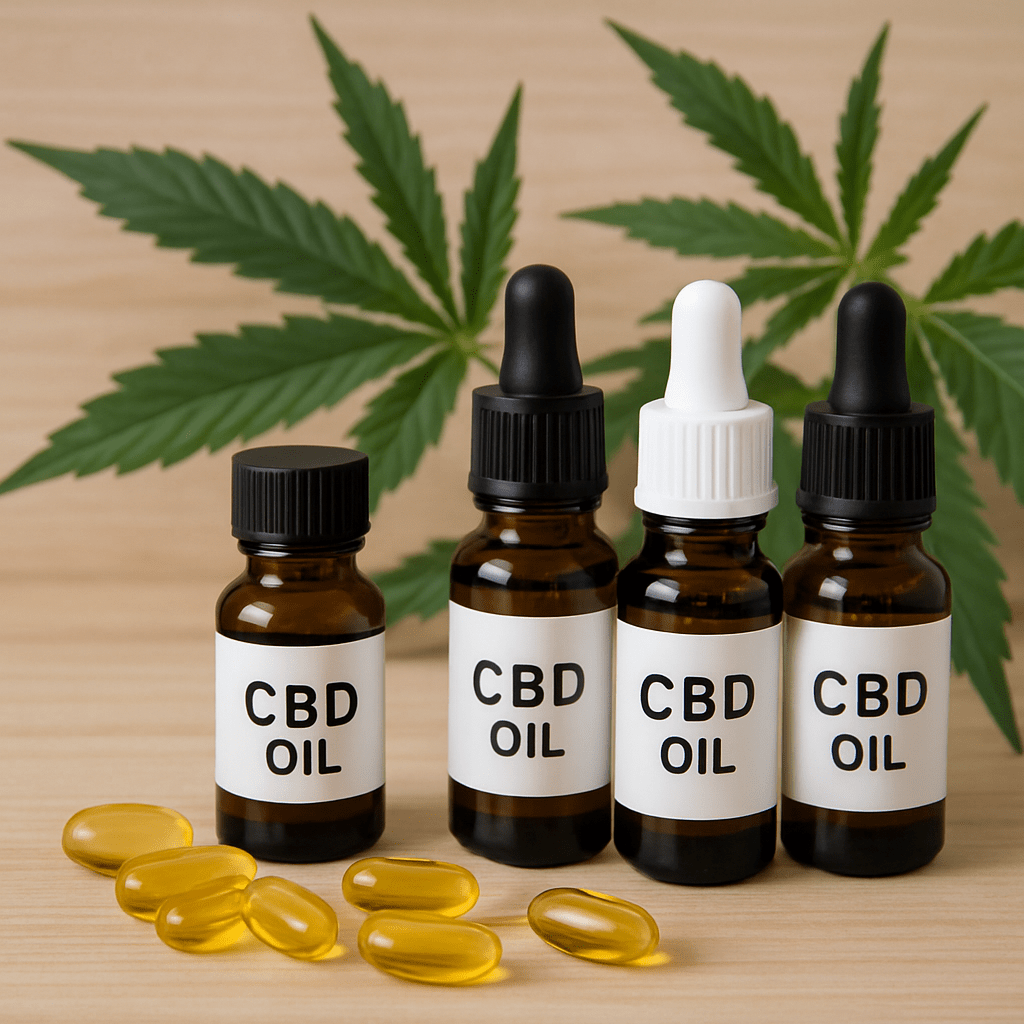
A significant safety consideration when using CBD involves its potential interactions with other medications. CBD’s influence on the cytochrome P450 enzyme system in the liver can affect how drugs are metabolized, leading to altered blood levels of medications and unexpected side effects.
One notable example is CBD’s interaction with blood thinners like warfarin, which can increase bleeding risk due to elevated levels of the medication when metabolized concurrently with CBD. This interaction necessitates close monitoring and possibly dosage adjustments by a healthcare professional.
Other common drugs that might interact with CBD include:
- Anti-epileptic drugs (especially given CBD’s FDA-approved use in epilepsy treatment)
- Antidepressants and antipsychotics
- Heart medications such as calcium channel blockers
- Immunosuppressants
Patients using products from brands such as NuLeaf Naturals or FAB CBD, which offer potent CBD formulations, need to exercise caution and ideally consult physicians prior to initiating treatment. Without professional guidance, risks of adverse events or diminished therapeutic effects rise.
| Medication Class | Interaction Type | Possible Outcomes | Recommendations |
|---|---|---|---|
| Blood Thinners | Reduced metabolism increasing drug levels | Higher bleeding risk | Regular blood tests, dose adjustment |
| Anti-epileptics | Variable metabolism effects | Seizure control interference or side effects | Close monitoring, consider alternative therapies |
| Antidepressants | Altered drug absorption and metabolism | Increased sedation or diminished efficacy | Medical supervision advised |
| Heart Medications | Metabolic interference | Blood pressure fluctuations | Monitor cardiovascular status closely |
Understanding these interactions is essential, given that many CBD users turn to the substance to manage symptoms that often coincide with other prescriptions. Reliable information, for example via side effects of common medications combined with CBD knowledge, can empower patients to make safer health choices.
Quality Control Challenges: Purity and Dosage Variability in CBD Products
As the CBD industry has boomed, quality control has remained a major concern. There is substantial variability in the purity, potency, and even the presence of contaminants like THC in many over-the-counter CBD products. A pivotal 2017 study highlighted that over 25% of tested CBD products contained less cannabidiol than advertised, while nearly a quarter harbored detectable amounts of THC despite labeling claims to the contrary.
This variability creates safety and legal concerns, especially for individuals subject to drug screenings or those who must avoid THC for medical reasons. Variance in dosing also means inconsistent therapeutic outcomes and possible side effects. For instance, users of products from less reputable sources risk overdosing or exposure to unknown substances.
Consumers looking to avoid these pitfalls should consider established brands like CBDistillery or Lazarus Naturals, which often publish comprehensive third-party lab analysis and adhere to good manufacturing practices. The following list outlines criteria for choosing high-quality CBD products:
- Third-party lab testing confirming cannabinoid content and purity
- Clear labeling with dosage information and ingredient listing
- Transparent sourcing of hemp, preferably from organic farms
- Good manufacturing certifications and compliance with state and federal laws
- Positive consumer reviews and company reputation
| Quality Factor | Importance | Signs of Good Practice | Consumer Tips |
|---|---|---|---|
| Purity Testing | Ensures absence of contaminants | Certificates of Analysis (COA) available online | Request lab reports, check for heavy metals and pesticides |
| Accurate Dosage | Consistency in product effects | Standardized concentration per unit | Start with low doses, verify label accuracy |
| Hemp Origin | Affects product quality and safety | Use of certified organic hemp farms | Prefer US-grown or EU-certified hemp |
| Manufacturing Process | Prevents contamination and preserves active compounds | Compliance with GMP and FDA guidelines | Choose GMP-certified brands like Green Roads |
To deepen one’s understanding of how these factors shape the safety profile of CBD, CBD oil science offers essential insights into formulation and efficacy considerations for 2025 consumers.
Video Insight: Quality Standards in CBD Production
Long-Term Risks and Unknowns: What Remains to Be Discovered?
Despite growing use, the long-term safety profile of CBD remains somewhat unclear. While short-term studies and anecdotal reports suggest it is generally well-tolerated, questions remain about potential cumulative effects, liver toxicity, and impacts on reproductive or developmental health.
Preclinical studies have examined CBD’s effects on liver enzymes, with some findings pointing to elevated liver function tests in higher doses or chronic use cases. This warrants caution, especially for individuals with pre-existing liver conditions or those taking medications metabolized by the liver.
Furthermore, reproductive safety of CBD is an area of ongoing research. Animal studies hint at possible developmental risks, although human data are lacking. Pregnant or breastfeeding women are generally advised to avoid CBD until more definitive evidence emerges.
Because the regulatory environment is still evolving, many CBD products vary in terms of consistency, adding to uncertainties about long-term exposure. Consumers using CBD through products offered by companies like NuLeaf Naturals or FAB CBD should remain vigilant and consult healthcare providers for monitoring if using treatments long-term.
| Potential Long-Term Risk | Evidence Level | Population Concerned | Current Recommendations |
|---|---|---|---|
| Liver Toxicity | Moderate – observed in high doses | Patients with liver disease, chronic users | Routine liver function tests, avoid excessive dosing |
| Reproductive Effects | Low to unclear – mainly animal data | Pregnant and breastfeeding women | Avoid use during pregnancy/lactation |
| Drug Tolerance and Dependence | Low | General population | Monitor for unusual tolerance, discontinue if adverse |
| Immune System Impact | Under study | Patients on immunosuppressants | Consult physician before use |
As scientific inquiry continues in 2025, staying updated on emerging findings through trusted medical resources offers the best approach to managing these unknowns responsibly. The evolving narrative of CBD highlights the necessity of cautious optimism combined with rigorous oversight.
Latest Discussions: Long-term usage safety of CBD
Consumer Guidance: Choosing Safe and Effective CBD Products in 2025
Given the complexities surrounding CBD’s side effects and risks, consumers must approach product selection with care. Retailers such as Green Roads, Elixinol, and FAB CBD emphasize transparency, quality, and scientific backing to ensure better product reliability and safety.
When selecting a CBD product, consider these important points:
- Source and cultivation: Prefer organically grown hemp with clear origin statements.
- Extraction method: CO2 extraction is favored for purity over solvent extraction methods.
- Third-party testing: Always review lab results for cannabinoid content, contaminants, and terpene profiles.
- Proper labeling: Confirm the exact CBD concentration and potential presence of THC or other cannabinoids.
- Dosage form: Match product type (oil, capsule, topical) with intended use and absorption preference.
Additionally, consulting healthcare providers before starting any CBD regimen ensures personalized recommendations based on medical history and current medications. For more comprehensive advice tailored to CBD safety, see expert resources like understanding CBD in 2025 and pharmaceutical guides.
| Selection Criterion | Reason | Example Brand Choices | Consumer Tips |
|---|---|---|---|
| Hemp Source | Ensures non-contaminated raw materials | Charlotte’s Web, Green Roads | Verify farm certifications |
| Extraction Method | Purity and preservation of cannabinoids | Elixinol, Lazarus Naturals | Look for CO2 extraction labels |
| Lab Testing | Product transparency and safety | Medterra, cbdMD | Request and review Certificates of Analysis |
| Dosage Form | User preference and absorption rate | FAB CBD, NuLeaf Naturals | Experiment to find best fit |
Prudent purchasing and well-informed usage remain fundamental pillars for maximizing CBD’s potential benefits while minimizing risks.
Can CBD cause dependency or addiction?
Current evidence suggests that CBD does not cause dependency or addiction. It tends to have calming effects without the high or reinforcing properties associated with THC.
Is it safe to use CBD while on prescription medications?
CBD can interact with certain prescription drugs, particularly those metabolized by liver enzymes. It is crucial to consult your healthcare provider before combining CBD with other medications.
Why do some CBD products contain THC despite labeling?
Due to lax regulations in some markets, products sometimes contain undisclosed THC. Choosing reputable brands that provide third-party lab testing reduces this risk.
Are there any long-term side effects associated with CBD?
Long-term research is ongoing, but some studies indicate possible liver enzyme elevations and reproductive safety concerns. Monitoring and medical guidance are advised for prolonged use.
How can I minimize side effects from using CBD?
Start with low doses, select high-quality products from trusted brands, and communicate with healthcare professionals to adjust usage safely.