
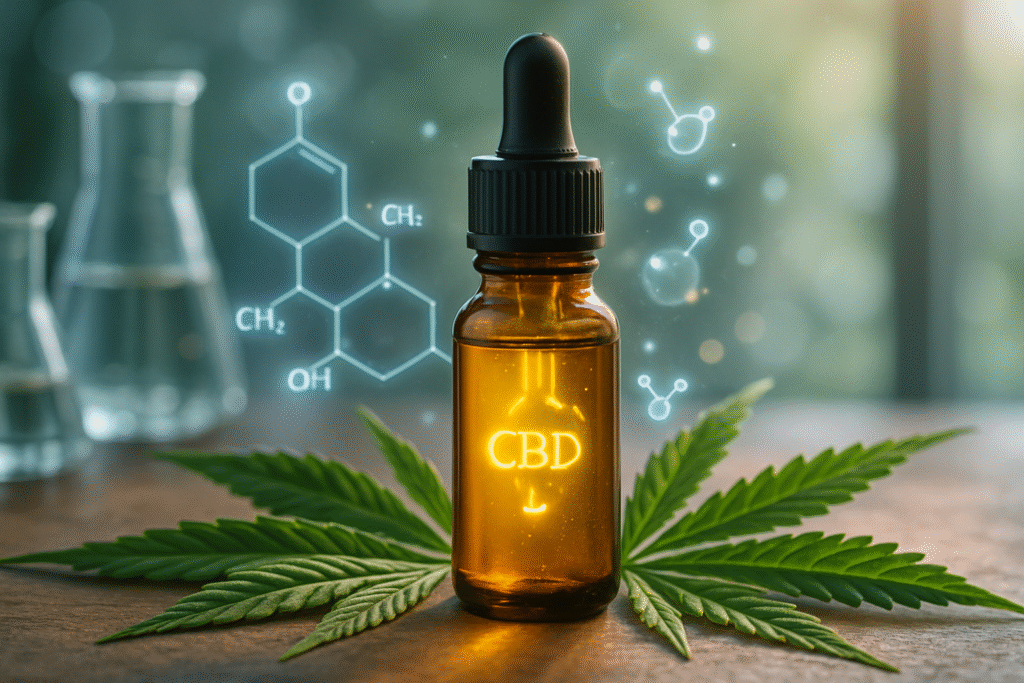

In recent years, cannabidiol, commonly known as CBD, has surged in popularity across health and wellness circles. Originally overshadowed by its psychoactive cousin THC, CBD is now recognized for its potential to promote well-being without intoxication. As consumer interest grows, propelled by brands like Charlotte’s Web, Medterra, and Green Roads, it’s essential to understand the scientific foundations behind this remarkable compound. CBD’s presence in products ranging from oils and edibles to topicals and beverages highlights its versatility. This interest goes beyond trend, driven by ongoing research into the therapeutic possibilities of CBD and its interaction with the human body’s complex systems. By exploring its chemical structure, biological interactions, and the different product types available today, we gain valuable insight into how CBD oil functions to influence health, mood, and physiological balance.
The rapidly expanding market and evolving regulatory landscape call for a science-based approach to CBD consumption. Understanding how CBD works not only helps consumers make informed decisions but also emphasizes the importance of quality control and testing, a practice promoted by labs such as Encore Labs. As CBD continues to integrate into lifestyles worldwide, identifying its mechanisms in the body opens the door to harnessing its full therapeutic potential while maintaining safety and trust in the products chosen.
Unraveling the Chemical Nature and Therapeutic Promise of CBD Oil
Cannabidiol (CBD) is one of over a hundred cannabinoids naturally found in the cannabis plant. Unlike THC, CBD does not induce psychoactive effects, making it a popular alternative for those seeking pain relief, anxiety management, or anti-inflammatory properties without the “high.” This unique attribute stems largely from CBD’s distinct chemical structure and interaction with the human body.
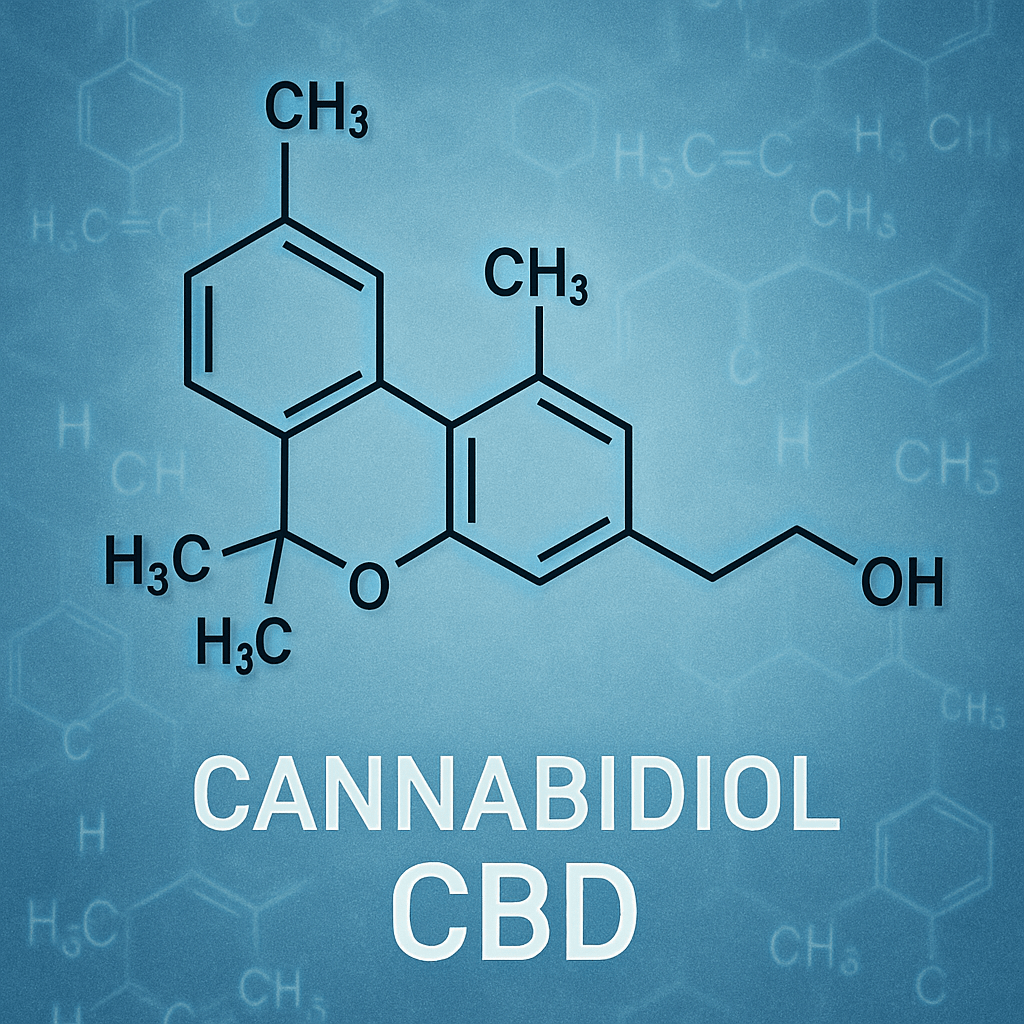
The chemical identity of CBD is summarized by the molecular formula C21H30O2, where it contains 21 carbon atoms, 30 hydrogen atoms, and 2 oxygen atoms. Its molecular weight is approximately 314.46 g/mol. Structurally, CBD encompasses a resorcinol core—a benzene ring attached to two hydroxyl groups—along with a lipophilic pentyl side chain. This composition renders it soluble in fats but not in water, influencing how it interacts biologically.
Unlike THC, which possesses a closed ring structure that strongly binds cannabinoid receptors in the brain resulting in intoxication, CBD lacks this closed ring. This structural divergence means it does not bind directly or strongly to cannabinoid receptors (CB1 and CB2). Instead, it exerts its effects through more indirect pathways, contributing to its broad range of potential health benefits including antioxidant, neuroprotective, and anti-inflammatory actions.
Key features of CBD’s chemical profile include:
- Non-intoxicating structure: absence of closed ring prevents psychoactivity.
- Lipophilicity: fat-soluble nature facilitates interaction with cell membranes.
- Biochemical versatility: enables influence on multiple receptor systems beyond the endocannabinoid system.
| Property | Details |
|---|---|
| Molecular Formula | C21H30O2 |
| Molecular Weight | 314.46 g/mol |
| Solubility | Fat soluble, not water soluble |
| Core Structure | Resorcinol core with hydroxyl groups |
| Binding to Cannabinoid Receptors | Indirect modulation, weak direct binding |
The understanding of CBD’s chemical foundation plays a pivotal role in developing safe, effective products and informs ongoing research into its myriad therapeutic properties. Popular brands such as cbdMD and Lazarus Naturals emphasize the importance of sourcing and formulation to maximize these benefits for consumers worldwide.
Interaction With the Endocannabinoid System: The Core of CBD’s Mechanism
CBD’s unique effects in the human body revolve primarily around the endocannabinoid system (ECS), a complex network that regulates essential physiological functions to maintain homeostasis. Discovered in the 1990s, the ECS has become a pivotal biological system for understanding cannabinoids.
The ECS consists of three central components:
- Endocannabinoids: lipid-based neurotransmitters produced naturally in the body, such as anandamide and 2-AG.
- Receptors: CB1 receptors predominantly found in the brain and nervous system; CB2 receptors more common in immune cells and peripheral tissues.
- Enzymes: responsible for the synthesis and breakdown of endocannabinoids, including FAAH which degrades anandamide.
Unlike THC, which directly binds the CB1 receptor to induce its psychoactive effects, CBD does not attach strongly to these receptors. Rather, CBD exerts its influence by modulating the ECS and interacting with other receptor systems:
- Inhibition of FAAH: CBD inhibits FAAH, thereby reducing the breakdown of anandamide, enhancing its levels to promote mood elevation and pain modulation.
- CB1 receptor modulation: Alters the receptor’s responsiveness to other cannabinoids, balancing their effects.
- Activation of serotonin 5-HT1A receptors: Contributes to anti-anxiety and antidepressant effects by enhancing serotonin signaling.
- Stimulation of TRPV1 receptors: These receptors regulate pain perception and inflammation, explaining CBD’s analgesic properties.
- Blocking GPR55 receptors: Potentially reduces blood pressure and abnormal cell proliferation.
| Receptor/Enzyme | CBD’s Effect | Resulting Benefit |
|---|---|---|
| FAAH | Inhibition | Elevated anandamide: mood enhancement, pain relief |
| CB1 receptor | Modulation | Balancing cannabinoid effects, reduced psychoactivity |
| 5-HT1A serotonin receptor | Activation | Anti-anxiety, antidepressant effects |
| TRPV1 receptor | Stimulation | Pain and inflammation regulation |
| GPR55 receptor | Blockade | Blood pressure lowering, anti-proliferative effects |
Understanding these interactions explains why CBD can influence a range of physiological processes. Brands like Joy Organics and NuLeaf Naturals emphasize formulations that support these complex mechanisms, catering to consumers seeking relief from anxiety, inflammation, and pain without psychoactive effects.
Diverse CBD Product Types and Their Absorption in the Body
As CBD becomes more mainstream, a wide variety of product types have emerged, each with unique delivery methods and onset times. Selecting the right product depends on individual needs, desired effects, and lifestyle.
Here are the primary CBD product categories available in 2025:
- CBD Oils/Tinctures: Administered sublingually for fast absorption, mixed with carrier oils like MCT or hemp seed oil. Ideal for daily wellness, sleep improvement, and stress reduction.
- Edibles: Gummies, capsules, chocolates, and beverages offer convenient, tasty options but with delayed effects due to digestion.
- Topicals: Creams, balms, and salves applied directly to the skin to target localized pain, skin conditions, or inflammation.
- Vapes: Provide rapid effect onset through inhalation but carry growing health concerns over safety and lung impact.
- Isolates: Pure CBD powder without detectable THC, often incorporated into custom formulations or preferred by users avoiding any THC exposure.
- Full-Spectrum CBD: Contains all cannabinoids, including trace THC under 0.3%, producing the “entourage effect” where multiple compounds enhance therapeutic benefits.
- Broad-Spectrum CBD: Multiple cannabinoids and terpenes present but with THC completely removed, ideal for those who want entourage benefits minus THC.
| Product Type | Administration | Absorption Speed | Common Uses |
|---|---|---|---|
| Oil/Tincture | Sublingual | 15-30 minutes | Anxiety, sleep, general wellness |
| Edibles | Oral | 30-90 minutes | Convenience, long-lasting effects |
| Topicals | Transdermal | Variable, localized | Targeted pain, skin conditions |
| Vapes | Inhalation | Immediate (minutes) | Rapid relief |
| Isolate | Various | Varies | THC-free formulations |
| Full-Spectrum | Various | Varies | Enhanced overall effect |
| Broad-Spectrum | Various | Varies | Entourage effect without THC |
Consumers today can access products from reputable companies like CBDistillery and Elixinol, which focus on high-quality extraction methods and proper labeling to ensure predictable dosing. Understanding the pharmacokinetics of these different forms helps users tailor their CBD experience effectively.
Scientific Evidence: What Current Research Reveals About CBD Oil
Scientific exploration into CBD has grown considerably in the past decade, revealing promising therapeutic uses. Among the most impactful findings is the FDA-approved use of CBD in Epidiolex for treating rare seizure disorders such as Dravet syndrome and Lennox-Gastaut syndrome. This landmark approval underlined CBD’s potential beyond recreational use.
Besides epilepsy, several lines of research validate CBD’s anti-anxiety, analgesic, and neuroprotective properties:
- Anxiety relief: Multiple studies show CBD’s ability to reduce symptoms in generalized anxiety and social anxiety disorders by modulating serotonin receptors and reducing sympathetic nervous system activity.
- Pain management: Evidence supports its role in decreasing chronic inflammation and neuropathic pain, often providing an alternative to opioids and NSAIDs.
- Neuroprotection: Emerging reports indicate CBD’s potential to mitigate neurodegenerative disease progression such as Parkinson’s and multiple sclerosis by reducing oxidative stress and inflammatory responses.
- Skin health: Anti-inflammatory and sebostatic properties suggest usefulness in conditions like acne and psoriasis.
| Therapeutic Area | Mechanism of Action | Clinical Evidence |
|---|---|---|
| Seizure Disorders | Modulation of neuronal excitability | FDA Approved (Epidiolex) |
| Anxiety | Serotonin receptor modulation | Multiple clinical trials support efficacy |
| Chronic Pain | Anti-inflammatory, TRPV1 stimulation | Growing evidence from patient reports and trials |
| Neurodegenerative Diseases | Antioxidant and anti-inflammatory actions | Preclinical and early clinical research |
| Skin Disorders | Sebostatic and anti-inflammatory effects | Emerging clinical interest |
While further research is needed to fully unlock CBD’s therapeutic scope, its ongoing integration into mainstream healthcare signals a paradigm shift in approaching wellness. Care providers and consumers alike can benefit from staying updated, as explored in detail by contemporary reviews on inflammation and CBD.
Ensuring Safety and Maximizing Benefits: Choosing and Using CBD Wisely
Despite its reputation as a safe supplement, CBD requires careful consideration regarding safety and product selection. Generally, CBD is well-tolerated, but potential side effects include fatigue, digestive disturbances, and changes in appetite. Moreover, CBD can interact with certain prescription drugs, especially blood thinners and anti-epileptic medications.
Ensuring safety begins with choosing high-quality, lab-tested products. Reliable third-party testing, like that conducted by trusted laboratories, guarantees purity, accurate potency, and absence of contaminants. Consumers should seek transparency from brands such as Charlotte’s Web and cbdMD, who invest heavily in quality assurance to build consumer trust.
Additionally, understanding local laws is crucial for compliance and safe CBD use, particularly while travelling. With varying regulations worldwide, resources like CBD travel laws and tips provide updated guidance for users on the move.
Practical steps for optimizing CBD use include:
- Starting with low doses and gradually increasing while monitoring effects.
- Consulting healthcare professionals especially if on chronic medication.
- Preferring organically grown CBD to reduce exposure to pesticides and harmful residues.
- Choosing product types that fit personal needs, whether for rapid relief or sustained effects.
| Safety Aspect | Recommendations |
|---|---|
| Side Effects | Monitor fatigue, gastrointestinal symptoms, appetite changes |
| Drug Interactions | Consult physician for medications, especially blood thinners |
| Product Quality | Choose third-party lab-tested products from reputable brands |
| Legal Considerations | Stay aware of local laws especially when traveling |
By understanding these factors and freely accessing informative resources, users can safely incorporate CBD oil into their wellness routine. Awareness of trusted brands such as Endoca and informed decision-making safeguard the user experience and empower healthier lives.
Does CBD cause a psychoactive high like THC?
No, CBD is non-intoxicating because it does not strongly bind to the brain’s cannabinoid receptors, unlike THC which produces the psychoactive effects.
How quickly does CBD oil take effect?
The onset depends on the product type: sublingual oils act within 15-30 minutes, edibles can take 30-90 minutes, and vaping effects are almost immediate.
Is full-spectrum CBD better than CBD isolate?
Full-spectrum CBD contains multiple cannabinoids and terpenes including trace THC, which may provide enhanced benefits through the entourage effect, whereas isolate is pure CBD with no other cannabinoids.
Are there any side effects of taking CBD oil?
CBD is generally safe but may cause fatigue, digestive changes, or interact with certain medications. Consulting with a healthcare provider is recommended before starting.
How important is lab testing for CBD products?
Lab testing ensures product purity, potency, and safety. It helps consumers verify that the CBD oil is free from contaminants and accurately labeled.