
As Cannabidiol (CBD) continues its surge in popularity throughout 2025, millions of consumers seek clarity amidst the swirl of conflicting information. With almost 35% of US adults predicted to use CBD products this year, distinguishing accurate cannabidiol facts from persistent CBD myths is more essential than ever. Despite its broad appeal for wellness, including anxiety relief and anti-inflammatory benefits, many common misconceptions still cloud public perception. From misunderstandings about CBD’s psychoactive effects to questions around its legality and safety, the dialogue around hemp oil requires careful navigation informed by science and credible sources. This article delves deeply into these misconceptions, highlighting evidence-based insights and practical guidance to promote clear CBD education for prospective users and enthusiasts alike.
Understanding the medical cannabis landscape entails more than simply knowing what CBD is; it requires dismantling myths that hinder informed decisions. Consumer confusion about CBD’s effects, potency, and risks stems from outdated assumptions and media misrepresentations. By clarifying prevalent CBD misconceptions, including the fear that CBD acts as a gateway to marijuana use or concerns about addiction, this exploration aims to empower readers to make knowledgeable choices aligned with their wellness goals. Whether you are curious about how CBD interacts with the body’s endocannabinoid system or wish to differentiate product types, separating fact from fiction remains crucial for optimizing the benefits of this botanical compound as it integrates further into healthcare and everyday life.
Clarifying Common CBD Myths That Cloud Consumer Understanding in 2025
Navigating the realm of cannabidiol can be challenging when myths blur realities. For example, a 2019 poll revealed that nearly 40% of respondents confused CBD with marijuana, assuming both produce intoxication. However, cannabidiol, particularly when derived from hemp, contains negligible amounts of THC — the component responsible for marijuana’s psychoactive effects. The World Health Organization confirms CBD’s lack of addiction potential and psychoactivity, debunking critical myths about intoxication and dependency. Despite this, some consumers remain wary of trying hemp oil products for fear they might cause a “high” or lead to habit formation.
Beyond intoxication, misunderstandings extend to product quality and efficacy. It is incorrect to regard all CBD oils as equivalent; extraction methods, hemp source, and cannabinoid spectrum (full, broad, or isolate) heavily influence product potency and reliability. The best products undergo third-party lab testing, providing a certificate of analysis that assures consumers of the exact cannabidiol content and safety. These details matter significantly—poor quality products can disappoint or even pose health risks. This is why CBD education stressing transparency and rigorous testing is paramount for separating quality offerings from substandard ones.
Many expect immediate results from CBD oil, yet the reality is nuanced. Absorption rates depend on dosage form, metabolism, and individual physiology. Sublingual administration offers quicker onset in contrast to edible consumption, which requires digestion and can take hours. Furthermore, cannabinoid receptor systems must often adjust to new cannabinoids, meaning benefits generally manifest gradually. Realistic expectations backed by research help prevent misconceptions that CBD is a one-time miracle cure or placebo.
| Myth | Fact |
|---|---|
| CBD causes intoxication | CBD is non-psychoactive and does not cause intoxication |
| All CBD oils are the same | Quality varies; testing and spectrum type affect potency and safety |
| CBD is addictive | No known addiction potential according to WHO |
| CBD works instantly | Effects can take from minutes to weeks to be noticeable |
| CBD promotes marijuana use | Hemp-derived CBD is not a gateway and is chosen to avoid intoxication |
By dispelling these myths, consumers are better prepared to evaluate available options and embrace potential CBD benefits.
Scientific Insights into Cannabidiol: How CBD Interacts with the Human Body
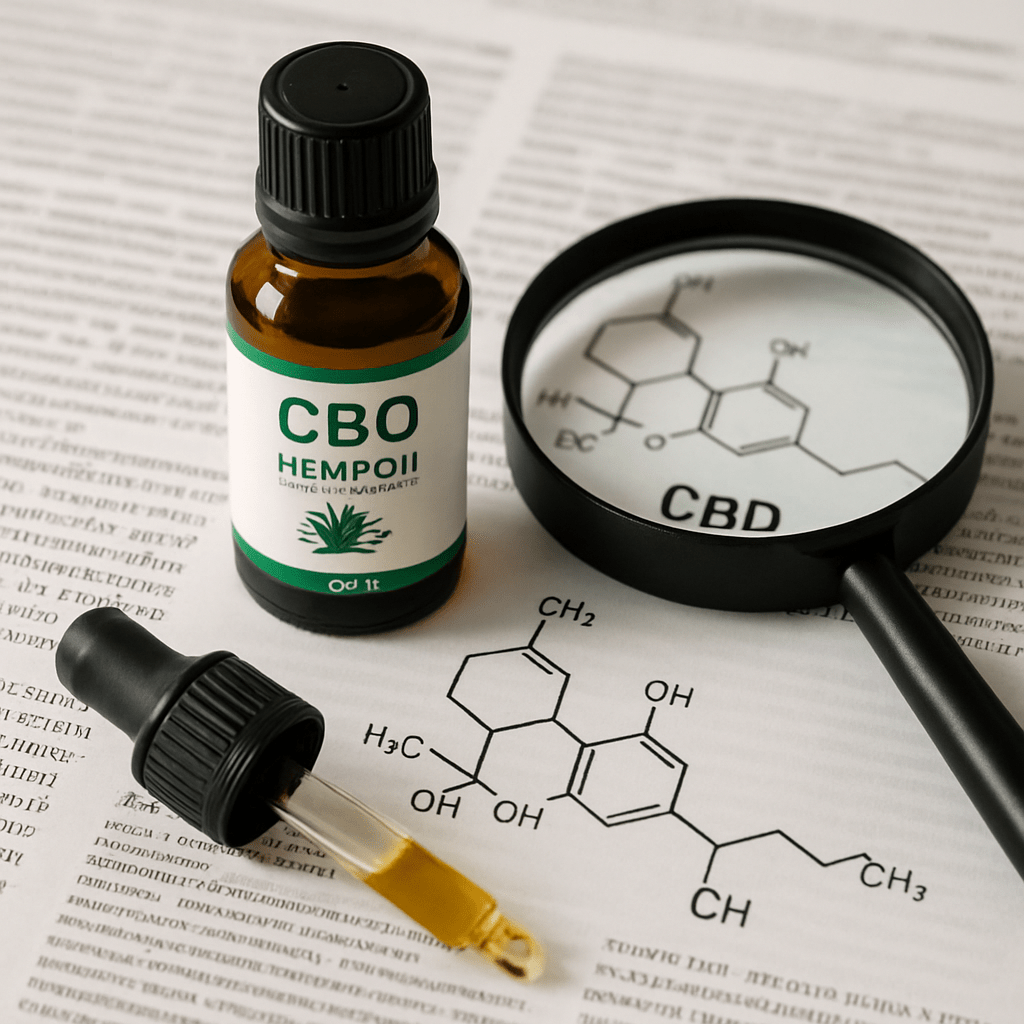
CBD functions by interacting with the body’s endocannabinoid system (ECS), a complex molecular network regulating vital physiological processes such as pain perception, mood stabilization, immune response, and inflammation control. Unlike THC, CBD has little binding affinity to CB1 receptors in the brain, thus does not trigger the euphoric effects typical of marijuana use. Rather, it modulates ECS activity in a balanced manner to promote homeostasis.
Research from sources like Frontiers in Pharmacology highlights CBD’s anti-inflammatory and anxiolytic properties, supported by growing clinical studies. For example, CBD’s influence on serotonin and vanilloid receptors is thought to mediate anxiety relief without intoxication. It also inhibits the enzyme FAAH, increasing natural endocannabinoid levels in the body, which can assist in pain regulation.
Decades of studies document CBD’s potential in managing conditions such as epilepsy (notably with the FDA-approved drug Epidiolex), neuropathic pain, and even possible neuroprotective roles. However, despite promising preclinical data, many therapeutic claims warrant further validation through robust, large-scale human trials.
Ongoing CBD research is vital to discerning mechanisms underlying the compound’s effects and limits. Sound scientific communication can thus counterbalance prevailing CBD misconceptions fueled by hearsay or unregulated marketing. Consumers should look toward trusted publications and expert summaries to remain current on evolving knowledge.
| CBD Interaction | Physiological Impact | Example Applications |
|---|---|---|
| Modulation of CB1 & CB2 receptors | Regulation of pain, inflammation, mood | Anxiety relief, chronic pain management |
| Serotonin receptor activation | Anti-anxiety effects | Mild to moderate anxiety reduction |
| Inhibition of FAAH enzyme | Increased endogenous cannabinoids | Epilepsy treatment adjunct |
| Neuroprotective effects | Potential prevention of neuronal damage | Research in neurodegenerative diseases |
Incorporating this scientific perspective supports a more realistic understanding of how CBD delivers wellness advantages, distinguishing these from the placebo interactions that some skeptics presume.
The Complex Legal Landscape of CBD and Hemp Oil Products Worldwide
Understanding CBD legality requires distinguishing between hemp-derived cannabidiol and marijuana-derived compounds, given their different THC levels and legal treatment. In the US, the 2018 Farm Bill federally legalized hemp products containing less than 0.3% THC, allowing widespread commercial availability of hemp oil CBD. By 2025, this has encouraged a significant market expansion, although state-by-state variations still exist and can impact consumer access.
Across Europe, legal approaches vary, with many countries permitting low-THC hemp-derived CBD, regulated as food supplements or cosmetics when meeting safety standards. However, some nations maintain restrictions based on hemp source or THC trace amounts. These regulatory nuances influence cross-border trade and consumer access.
Countries outside the western bloc show mixed policies, with some embracing regulated medical cannabis programs, while others retain prohibitive stances. Staying informed about current laws is essential to responsibly sourcing and utilizing cannabidiol products.
For individuals interested in entering the industry or adopting CBD as a wellness supplement, understanding this evolving legal framework and consulting reputable sources such as government health agencies offers a safeguard against inadvertently breaking local laws. Resources like the latest developments in UK CBD regulation highlight how regulation continues adapting to consumer and scientific advances.
| Region | Legal Status of Hemp-Derived CBD | THC Threshold |
|---|---|---|
| United States | Generally legal federally, varies by state | Less than 0.3% |
| European Union | Permitted with restrictions, evaluated as food supplement or cosmetic | Usually below 0.2% |
| Canada | CBD regulated under cannabis laws, legal for medical & recreational use | Varies by product type |
| Asia-Pacific | Mostly restricted, exceptions in some countries for medical use | Varies greatly |
Arming oneself with knowledge about legality clears the path for informed choices about CBD without fear of confusion or legal repercussions.
Balancing Potential Benefits Against CBD Side Effects and Risks
The expanding portfolio of CBD benefits includes promising applications for anxiety management, sleep support, inflammation reduction, and pain relief. Consumer surveys in recent years consistently report that most users notice positive effects within one to two weeks of consistent use, especially when using verified products like those offered by reputed brands.
However, it is essential to balance enthusiasm with a realistic view of potential CBD side effects. Some individuals report mild issues such as fatigue, digestive upset, or appetite alteration. These effects typically resolve with dose adjustment or cessation. Moreover, CBD can interact with certain prescription medications by affecting liver enzyme activity, necessitating consultation with healthcare practitioners before use.
Potential risks increase if consumers choose products without transparent labeling or proper testing. Mislabeled ingredients, contaminants, or inappropriate dosing can lead to adverse outcomes. Therefore, prioritizing quality and professional guidance remains the cornerstone of safe CBD integration into health routines.
- Potential Benefits of CBD: Anxiety relief, anti-inflammatory effects, chronic pain management, sleep improvement
- Possible Side Effects: Fatigue, diarrhea, appetite changes, interactions with medications
- Precautions: Consult healthcare provider, verify product testing, start low and go slow
| Benefit | Evidence Level | Common Side Effects | Safety Tips |
|---|---|---|---|
| Anxiety Reduction | Moderate clinical support | Fatigue, dry mouth | Start with low dose; monitor reactions |
| Chronic Pain Relief | Emerging evidence | Changes in appetite | Check for drug interactions |
| Sleep Enhancement | Limited but promising data | Drowsiness | Use in evenings; avoid machinery |
| Anti-Inflammatory | Preclinical and some human studies | Minimal side effects reported | Choose third-party tested products |
Adopting an informed approach to CBD usage encourages optimal results while minimizing unwanted side effects, contributing to its reputation beyond mere trendiness.
Empowering Consumers: Combating Stigma and Ensuring Access to Quality CBD Products
Despite advances in science and legality, stigma and misinformation still hamper CBD’s full acceptance in mainstream health discussions. Historic associations linking CBD to recreational cannabis often trigger undue concerns about safety and morality, deterring some from exploring its therapeutic promise. This underscores the vital role of continued CBD education and transparency in overcoming bias.
Consumers should familiarize themselves with identifying trustworthy brands and scrutinizing product labels and third-party lab results. Not all hemp oil products are created equal, and vigilance helps prevent falling victim to deceptive marketing or counterfeit goods. Educational resources such as those explaining the value of non-psychoactive cannabinoids and their benefits are instrumental in raising public awareness based on facts rather than fear.
Clear communication about health effects, legal rights, and scientific backing can connect users to the authentic experience of CBD. Community conversations, healthcare provider involvement, and accessible research foster a culture where myths lose traction and true cannabidiol facts prevail.
| Stigma Factor | Reality Counterpoint |
|---|---|
| CBD causes intoxication like marijuana | CBD is non-intoxicating, lacks psychoactivity |
| CBD is unregulated and unsafe | Many brands provide transparent third-party testing and certification |
| CBD is only a marketing gimmick | Scientific research supports multiple therapeutic effects |
| CBD promotes drug abuse | Hemp-derived CBD is non-addictive and not a gateway drug |
By confronting misinformation proactively, consumers can unlock the full spectrum of CBD’s potential benefits with confidence and clarity.
Is CBD oil legal everywhere in 2025?
CBD legality varies globally; hemp-derived CBD with low THC is legal federally in many countries including the US, but local laws should always be checked.
Can CBD get me high like marijuana?
No, CBD is non-psychoactive and does not cause a high, unlike THC which is responsible for marijuana’s psychoactive effects.
What should I look for to ensure the quality of a CBD product?
Seek products with third-party lab testing and accessible certificates of analysis to confirm purity, potency, and safety.
Are there any side effects from using CBD?
Some users experience mild side effects like fatigue or appetite changes; consulting a healthcare professional before use is advised.
Can CBD interact with medications I’m taking?
Yes, CBD can affect liver enzymes and alter medication metabolism; always consult your doctor before combining CBD with other drugs.