

In recent years, cannabidiol (CBD) has surged into the limelight as a potential remedy for pain relief, capturing the interest of millions seeking alternatives to traditional medications, including opioids and NSAIDs. Derived from cannabis plants, CBD is distinct in not producing the psychoactive “high” associated with THC. Instead, it promises potential anti-inflammatory, analgesic, and soothing effects that could transform the landscape of pain management. As 2025 unfolds, researchers, health practitioners, and consumers alike are scrutinizing the efficacy and safety of CBD for various types of pain. From localized muscle aches to chronic and neuropathic discomfort, CBD offers a spectrum of application forms and dosages that invite an in-depth evaluation centered on individual needs.
The evolving science points to CBD’s interaction with the body’s endocannabinoid system (ECS) — a complex network of receptors pivotal in regulating pain and inflammation. However, despite promising early data, there remain significant gaps in clinical evidence and product standardization, driving the need for informed choices when considering CBD as part of a pain management strategy. Moreover, the booming market, featuring trusted brands such as Charlotte’s Web, Medterra, and CBDistillery, pushes consumers to navigate quality, dosage, and formulation differences carefully. Consumers should also remain aware of the legal nuances surrounding CBD products, which vary widely in regulations across states and countries.
How CBD Interacts with Pain Mechanisms: Scientific Insights into Pain Relief
Understanding how CBD works for pain begins with the endocannabinoid system (ECS), which plays a critical role in regulating inflammation and pain signaling. The ECS comprises receptors, primarily CB1 and CB2, spread across the nervous system and immune system. CBD is believed to interact indirectly with these receptors as well as with serotonin receptors and ion channels, modulating pain perception and inflammation without triggering the psychoactive effects of THC.
Several preclinical studies support CBD’s analgesic and anti-inflammatory effects. For example, animal studies have demonstrated that topical application of CBD gel can reduce joint swelling and pain associated with arthritis symptoms. Doses around 6.2 mg/day in rats showed significant improvement, whereas much higher doses did not provide additional relief, suggesting an effective threshold rather than a linear dosage increase. While these results are promising, human studies remain comparatively limited but steadily growing.
Types of Pain CBD May Influence
- Chronic pain: Typical conditions such as back pain and fibromyalgia may respond to CBD by modulating the pain signaling pathways and reducing inflammation.
- Arthritis pain: CBD’s anti-inflammatory properties are particularly relevant for arthritis, helping alleviate joint stiffness and swelling when applied topically or taken orally.
- Cancer-related pain: Some patients report relief when using CBD in combination with THC, helping manage pain as well as side effects like nausea and appetite loss.
- Neuropathic and migraine pain: Emerging studies suggest CBD combined with low THC levels can lessen the frequency and severity of migraines and cluster headaches.
| Pain Type | CBD Mode of Action | Supporting Evidence |
|---|---|---|
| Chronic Pain | Modulates ECS receptors; reduces inflammation and pain signaling | Animal studies and small human trials indicate pain relief |
| Arthritis Pain | Anti-inflammatory effect through topical and oral administration | Preclinical joint studies; anecdotal human reports |
| Cancer Pain | Combination THC-CBD sprays reduce pain and opioid use | 2010 & 2013 clinical trials show enhanced relief with combined use |
| Migraine | Analgesic and frequency reduction via combined CBD and THC | 2017 study demonstrates lowered attack frequency & intensity |
If you want to dive deeper into the chemistry and science behind CBD, explore resources on CBD oil science and its interaction with pain pathways.
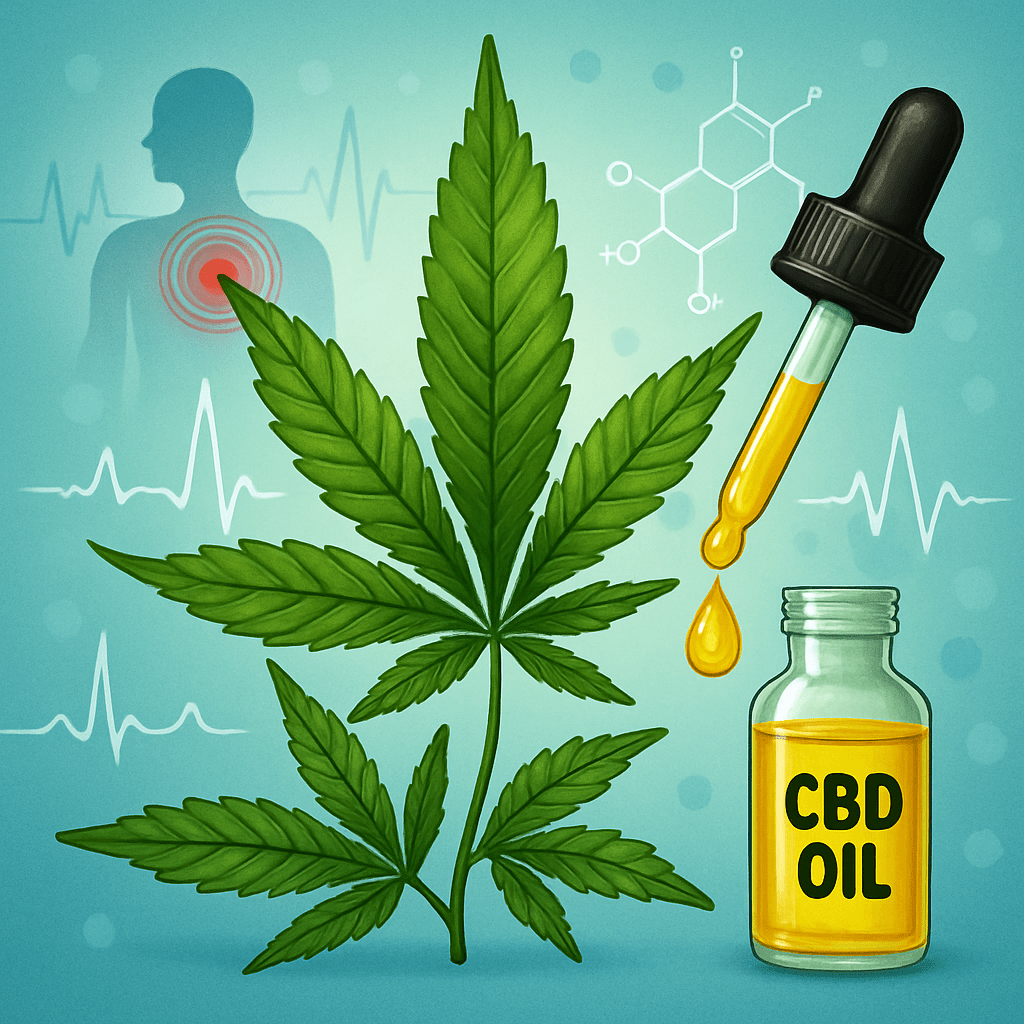
Best CBD Products and Forms for Targeted Pain Relief
The market offers an array of delivery methods for CBD products, each tailored for particular pain types and user preferences. It’s essential to distinguish between topical products, such as creams and gels, and oral products, including oils, capsules, and gummies, to find the most effective approach for specific pain scenarios.
Topical CBD Applications
Topicals are ideal for localized pain, such as muscle soreness or a single joint affected by arthritis or injury. These products bypass the digestive system and deliver CBD directly through the skin to the inflamed area, often providing quicker relief. Experts like Dr. Gerry McNally recommend choosing creams with a CBD concentration between 3% and 5% for better efficacy.
- Benefits: Targeted relief without systemic effects, minimal side effects, fast absorption
- Common uses: Arthritis joints, muscle pain, skin irritation
- Application tips: Apply a dime-sized amount every 4-6 hours; higher doses for severe pain
- Popular brands: Joy Organics, Green Roads, Fab CBD
Oral CBD Products for Systemic Pain Management
Oral consumption works best for widespread or chronic pain affecting multiple areas. Whether using oils, capsules, or edibles, the CBD travels through the bloodstream to affect the entire body. The recommended approach is to start with low dosages and increase gradually to find effective relief.
- Benefits: Effective for systemic pain, longer-lasting effects
- Common uses: Fibromyalgia, neuropathic pain, migraines
- Dosage guide:
- Mild pain: 10-20 mg per dose
- Moderate pain: 20-40 mg per dose
- Severe pain: 40-100 mg per dose
- Mild pain: 10-20 mg per dose
- Moderate pain: 20-40 mg per dose
- Severe pain: 40-100 mg per dose
- Popular brands: cbdMD, NuLeaf Naturals, Lazarus Naturals, Penguin CBD
| CBD Product Type | Ideal Use Case | Advantages | Recommended Dosage Frequency |
|---|---|---|---|
| Topical Creams | Localized joint or muscle pain | Fast-acting, minimal systemic absorption | 2-3 times daily |
| Oral Capsules/Oils | Chronic or multi-site pain | Long-lasting, systemic relief | Once or twice daily |
| Gummies | Convenience and discrete use | Controlled dosage, easier use | Once or twice daily |
Safe Usage and Dosage Considerations for Effective Pain Management
Finding the right dose of CBD can be complex due to individual variability in body weight, metabolism, and the severity of pain. Experts emphasize a “start low, go slow” approach paired with consistent use, noting that effects may take several days to become noticeable.
- Begin with a low dose to gauge tolerance and response
- Adjust the dose gradually every few days as needed
- For localized pain, topical applications may be applied every 4-6 hours
- For systemic pain, maintain consistent oral dosing daily for chronic conditions
- Always consult a healthcare provider, especially when combining CBD with other medications
Some potential side effects associated with CBD use for pain management include drowsiness, gastrointestinal discomfort, dry mouth, and low blood pressure. Drug interactions are possible, notably with blood thinners and certain pain medications, since CBD can affect liver enzymes responsible for drug metabolism.
| Potential Side Effect | Description | Mitigation Strategy |
|---|---|---|
| Drowsiness & Fatigue | Can cause sedation or tiredness, especially in higher doses | Begin with low doses; avoid driving or operating machinery initially |
| Digestive Issues | Nausea, diarrhea, or appetite changes may occur | Take with food; consider alternative product formulations |
| Drug Interactions | May interfere with metabolism of certain medications | Consult a doctor; avoid combining with grapefruit-containing substances |
| Dry Mouth | Reduced saliva production causing discomfort | Stay hydrated; use saliva substitutes as needed |
For highest safety and efficacy, prioritize third-party lab-tested CBD products from reputable brands like Lazarus Naturals and Medterra.
Legal Landscape and Consumer Guidance on CBD Use for Pain in 2025
The legal status of CBD in 2025 remains a patchwork of federal and state regulations, with hemp-derived products containing less than 0.3% THC broadly legalized federally. However, marijuana-derived CBD products are subject to varied regulations depending on the region. Consumers should inform themselves about local laws to avoid legal complications, especially when traveling.
- Federal legalization of hemp-derived CBD products with less than 0.3% THC
- State laws may vary, requiring careful checking prior to purchase or use
- Nonprescription CBD products are not FDA-approved, leading to concerns about product labeling and purity
- Reliable brands perform stringent testing to certify quality and potency
- Travelers should consult updated sources on local CBD regulations and travel policies
| Jurisdiction | CBD Legal Status | Notes |
|---|---|---|
| Federal USA | Legal for hemp-derived CBD under 0.3% THC | Marijuana-derived CBD governed by state laws |
| Selected States | Varied legal status for marijuana-derived CBD | Consult individual state regulations |
| International | Wide variances by country | Check local laws before travel |
For comprehensive details about CBD legality across regions and travel considerations, visit reliable resources such as CBD legal global overview and well-researched tips on CBD travel laws.
Consumer Experiences and Brand Highlights: Navigating Effective CBD Pain Relief
In 2025, testimonials from consumers and expert evaluations continue to endorse CBD as a valuable option in the pain relief toolkit. People report improvements in discomfort related to arthritis, migraines, and other chronic conditions, frequently highlighting ease of use and minimal side effects.
Trusted brands such as Medterra, Charlotte’s Web, and Penguin CBD have built strong reputations by offering high-quality, lab-tested formulas. These manufacturers emphasize transparency in ingredient sourcing and cannabinoid content to ensure consistent user outcomes.
- Effectiveness reported for joint and muscle pain
- Wide selection of formulations optimized for different use cases
- Customer-focused guides to help tailor the user’s approach
- Strong focus on quality control and independent lab testing
Newcomers to CBD products are encouraged to start with lower strengths and monitor their response carefully, leveraging brand support and healthcare guidance. Those interested in learning about strain options can consult detailed discussions on high-quality CBD flower varieties.
Is CBD effective for all types of pain?
CBD shows promise for various pain types including chronic, arthritis, neuropathic, and cancer-related pain, but effects vary based on individual response and product form.
How do I determine the right CBD dosage for pain relief?
Start with a low dose, increase gradually while monitoring effects, and consult a healthcare professional for personalized advice.
Are there any side effects from using CBD for pain?
Possible side effects include drowsiness, digestive upset, dry mouth, and drug interactions, which can be minimized with proper dosing and product quality.
Is it legal to use CBD products for pain relief?
Hemp-derived CBD with less than 0.3% THC is federally legal in the U.S., but state laws vary; marijuana-derived CBD legality depends on local regulations. International legality also differs.
Can CBD replace traditional pain medications?
CBD may complement pain management but should not replace prescribed treatments without medical consultation due to limited long-term research.