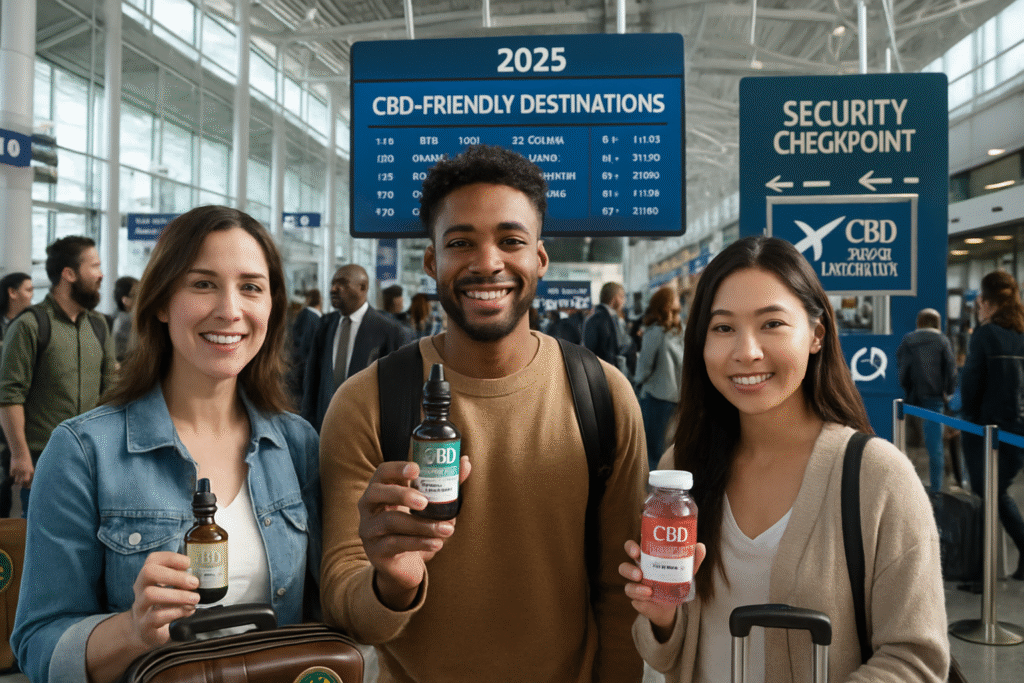

As the landscape surrounding cannabidiol (CBD) continues to shift, traveling with CBD in 2025 remains a complex endeavor filled with important legal nuances and practical considerations. Many users, from wellness advocates to medical patients, are eager to incorporate trusted products from brands like Charlotte’s Web, Medterra, and others into their routines without risking legal complications. Understanding the evolving framework of CBD legality both domestically and internationally helps ensure a smooth journey. This nuanced environment requires travelers to stay informed not only of the laws in their departure and arrival locations but also airline and airport security policies. By broadening the scope beyond just regulatory compliance, this exploration also offers essential packing tips and travel strategies to safely navigate the complex terrain of flying with CBD.
Behind the scenes, the 2018 Farm Bill laid significant groundwork by federally legalizing hemp-derived CBD products containing less than 0.3% THC. Still, this federal-level legalization does not erase varying state restrictions or the fact that the Food and Drug Administration (FDA) places strict oversight on many CBD products. On the international front, rules range drastically, with some countries imposing zero tolerance on cannabis derivatives. Consequently, travelers must engage in due diligence to avoid fines, product confiscation, or more severe penalties such as arrest.
Understanding the Legal Framework for Traveling with CBD in 2025
The legal landscape governing CBD has evolved dramatically since the passing of the 2018 Farm Bill, which federally legalized hemp-derived products containing less than 0.3% Delta-9 THC. This distinction remains crucial in 2025, as only hemp-derived CBD products meeting this THC threshold are federally legal in the United States. In contrast, CBD extracted from marijuana with higher THC content continues to be classified as a controlled substance at the federal level.
However, federal law is just one piece of the puzzle. Each U.S. state maintains its own regulations regarding the cultivation, sale, and possession of CBD products. For example, states like Colorado and California have embraced progressive regulations supporting broad CBD use, while others enforce stricter guidelines limiting product types or concentrations. Travelers navigating state lines must stay informed about these variations to avoid inadvertent violations.
Several key factors underscore the complexity of this legal framework:
- Definition of hemp under the 2018 Farm Bill: The bill defines hemp as Cannabis sativa L. plants with up to 0.3% THC on a dry weight basis.
- FDA oversight: Though the Farm Bill legalized hemp, the FDA still regulates CBD products used in foods, supplements, and drugs, requiring compliance with safety and marketing practices.
- State legality differences: Some states treat CBD like any hemp product, while others have additional restrictions or bans on certain formulations.
Brands such as CBDistillery and Green Roads manufacture products that consistently meet these federal and state standards, assuring customers of compliant formulations. Travelers often rely on these reputable products when planning journeys to minimize legal risks. Understanding these essentials not only protects individuals from potential enforcement but also helps retain access to trusted CBD solutions throughout travels.
| Jurisdiction | Legal Status of CBD | Notes |
|---|---|---|
| Federal (USA) | Legal if THC ≤ 0.3% | Based on 2018 Farm Bill; FDA regulates product claims |
| California | Broadly legal | Permits various formulations including topicals |
| Texas | Legal, limited product types | Restrictions on manufacturers and retail sales |
| Idaho | Illegal | No legal sales or possession allowed |
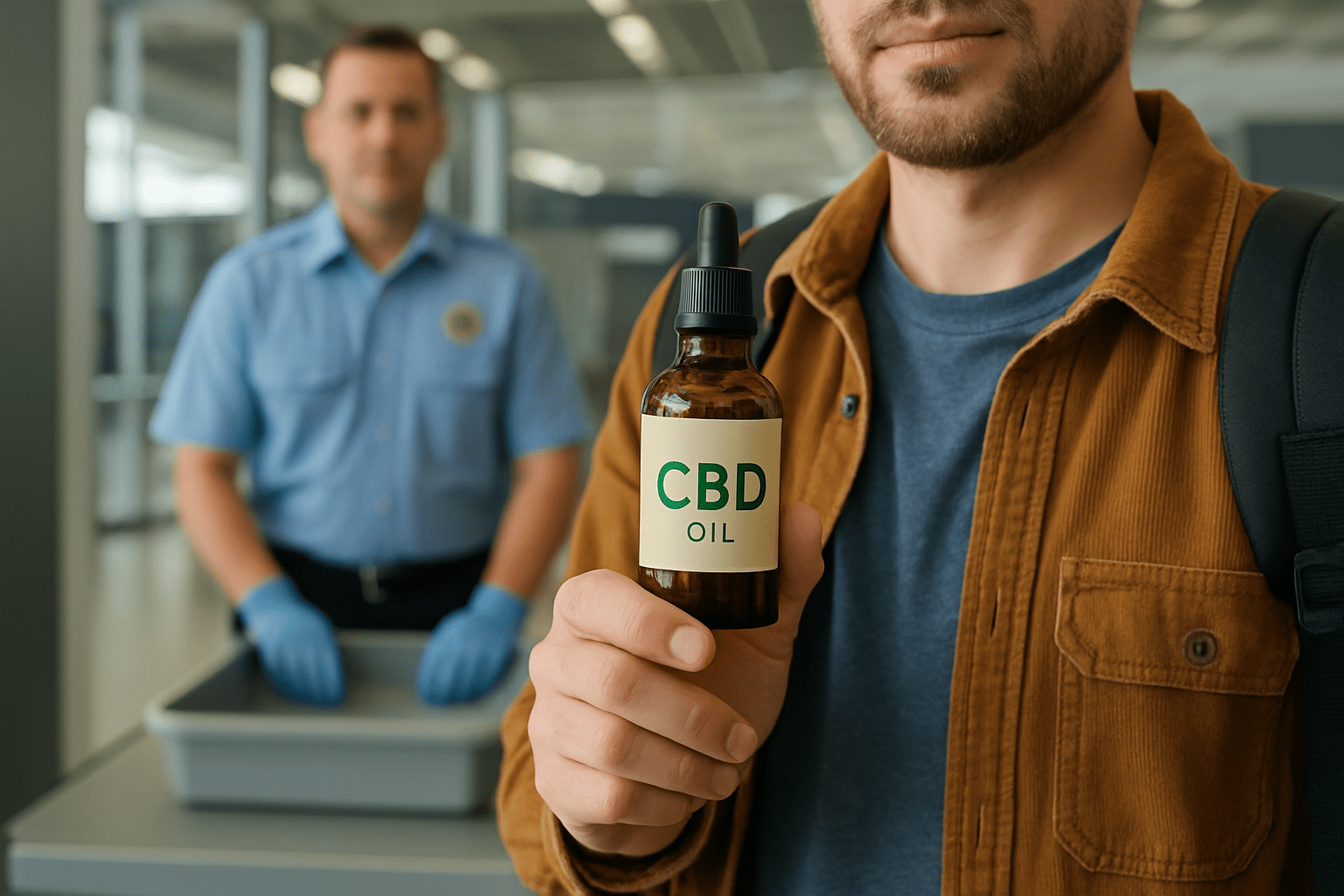
Essential TSA Guidelines for Flying with CBD Products
Airport security and the Transportation Security Administration (TSA) have specific rules that impact how passengers transport CBD products in 2025. Importantly, the TSA aligns its policies with federal legislation, permitting hemp-derived CBD products containing no more than 0.3% Delta-9 THC by dry weight on all flights within and from the United States.
However, TSA officers are primarily focused on identifying security threats rather than policing drug laws, though they must refer suspected illegal substances to law enforcement authorities. The ambiguity arises since some CBD products may resemble illegal cannabis-derived items due to packaging or labelling inconsistencies, so proper documentation and packaging can reduce misunderstandings at checkpoints.
Key TSA travel tips for CBD users include the following:
- Stay within TSA liquid limits: Liquid CBD products carried onboard must comply with the “3-1-1” rule—containers of no more than 3.4 ounces (100 milliliters) placed inside a clear, quart-size, resealable bag, with one bag per passenger.
- Original packaging: Keeping CBD in its original labelled container helps TSA agents quickly verify contents and legality.
- Certificates of Analysis (COA): Carrying a COA from reputable brands like Joy Organics or Endoca that verify THC levels can facilitate smoother inspections.
- Checked luggage: Larger volumes of liquid CBD can be packed in checked bags, but bottles should be sealed tight to prevent leaks.
- Product type awareness: Some states and airlines have restrictions on products containing THC beyond trace amounts, so it’s vital to verify rules in advance.
Following these guidelines lowers the risk of delays, confiscations, or fines and enables passengers to enjoy the benefits of trusted items such as PlusCBD while traveling. Additionally, understanding TSA’s evolving stance on hemp and cannabis derivatives can help avoid surprises at security checkpoints.
| Aspect | Rule | Recommended Practices |
|---|---|---|
| Allowed CBD THC Level | ≤ 0.3% | Verify with COA, use trusted brands |
| Carry-on liquid limit | 3.4 oz / 100 ml per container | Use travel-sized bottles, keep in clear bag |
| Packaging | Original packaging preferred | Labels visible and intact |
| Checked luggage | Permitted any size | Seal containers to prevent spills |
International Regulations and Challenges When Traveling with CBD
Traveling overseas with CBD introduces a new layer of legal complexity. Regulations governing CBD use and possession vary widely across countries, often imposed by historical drug policies and cultural attitudes towards cannabis. As a result, products legal in the U.S. might suddenly become illegal or heavily restricted in another nation.
Countries with strict anti-cannabis laws often apply zero-tolerance policies towards any cannabis derivatives, even hemp-derived CBD with negligible THC. On the other hand, some nations permit CBD only if it contains no THC whatsoever or only allows medical imports under prescription.
This variety creates risks for travelers who might unknowingly violate foreign laws. For instance, countries in Asia such as Japan and Singapore enforce harsh consequences, including fines and imprisonment, for possession of any cannabis-related product. Even some European nations like France maintain strict THC limits and require products to be certified as THC-free.
Before international travel, it’s critical to take the following precautions:
- Research destination country laws thoroughly, using government and trusted advocacy resources.
- Check regulations for all transit countries on layovers.
- Carry detailed documentation, such as product COAs and purchase receipts.
- Consider consulting with legal experts specializing in cannabis laws if traveling for extended periods or with large product quantities.
- Opt for CBD isolate products devoid of THC for trips to high-risk countries.
Brands like Lazarus Naturals and Elixinol offer ranges catering to these international travelers, providing selections with clear THC levels suitable for diverse legal frameworks.
| Country | CBD Legality | Notes and Restrictions |
|---|---|---|
| Japan | Strictly illegal | No CBD with THC allowed; harsh penalties |
| Germany | Legal with restrictions | Max THC 0.2%; requires medical exemption for high doses |
| Australia | Restricted medical use only | Prescription needed; recreational banned |
| Canada | Legal federally | Regulated similarly to cannabis; recreational use permitted |
Packing Smart: Tips for Safely Bringing CBD on Trips
Proper packing of CBD products can make or break your travel experience. Beyond legality, practical methods to secure and present your products to airline and customs officials help minimize scrutiny and delays. Here are core recommendations for packing CBD products effectively when flying or traveling abroad:
- Use original, labeled packaging: Original bottles and containers with clear labels protect against misidentification or suspicion.
- Carry documentation: Always bring a Certificate of Analysis (COA) that confirms THC content below legal thresholds. Keep a digital backup and a hard copy.
- Follow liquid restrictions: For carry-on baggage, adhere strictly to TSA’s 3-1-1 liquid rule. Use small travel-sized bottles if necessary.
- Pack strategically: Place products near other toiletry items to simplify security inspections.
- Limit quantity: Carry only the amounts reasonable for personal use to avoid appearing suspicious.
Reliable brands such as cbdMD and PlusCBD emphasize quality control processes that generate the necessary lab results for safe travel compliance. Maintaining these standards provides peace of mind for both casual users and patients relying on CBD for health management.
| Packing Element | Recommendation | Reason |
|---|---|---|
| Packaging | Keep products sealed and labeled | Avoids confusion and facilitates TSA checks |
| Documentation | Bring COA and purchase receipts | Proof of compliance with THC limits |
| Quantity | Carry reasonable personal use amount | Limits suspicion during customs inspection |
| Container Size | 3.4 oz or less for carry-on liquids | Compliance with TSA liquid rules |
Strategies and Considerations for a Smooth CBD Travel Experience
Travelers in 2025 must approach CBD transportation with a combination of awareness, documentation, and smart strategy to avoid pitfalls. Experiencing delays or confiscations can disrupt travel plans and lead to anxiety, but with preparation, such events are largely avoidable. Some additional tips include:
- Research airline policies: Some carriers have specific restrictions or require advance notification regarding CBD transport.
- Monitor regulatory updates: Laws evolve rapidly; staying informed via trusted resources like CBD legal advisories can keep travelers current.
- Disclose if questioned: If TSA or customs officials raise questions, responding calmly and providing documentation fosters trust and transparency.
- Be mindful of varying state laws: On domestic trips, know the destination and layover state laws since some states like Idaho still prohibit CBD possession.
- Consider CBD alternatives: In restrictive regions, alternative options like topical creams or non-THC isolates may reduce risk.
For many, traveling with CBD remains an integral part of wellness and symptom management. Favoring established and recognized companies such as Joy Organics and Charlotte’s Web can improve the likelihood of compliance and ease during travel.
Is it legal to fly with CBD in all U.S. states?
Flying with hemp-derived CBD products containing no more than 0.3% THC is federally legal, but individual state laws vary. Travelers should research local laws at both their departure and destination points, as some states prohibit certain CBD products.
What documentation should I carry when traveling with CBD?
Bringing a Certificate of Analysis (COA) from a reputable lab that verifies THC content along with purchase receipts is recommended to substantiate product legality when questioned by TSA or customs.
Can I travel internationally with CBD products?
International travel with CBD is riskier due to widely varying laws. It’s essential to research the destination and transit countries thoroughly, use THC-free isolates if possible, and carry supporting documentation.
How should I pack liquid CBD products for air travel?
Liquid CBD products in carry-on bags must adhere to the TSA’s 3-1-1 liquid rule (containers ≤ 3.4 oz), packed inside a clear quart-size bag. Larger quantities should be packed securely in checked luggage.
What brands provide reliable CBD products suitable for travel?
Reputable companies like cbdMD, Green Roads, Joy Organics, Lazarus Naturals, and Charlotte’s Web offer lab-tested, compliant products that travelers often trust for legal and safe use during trips.