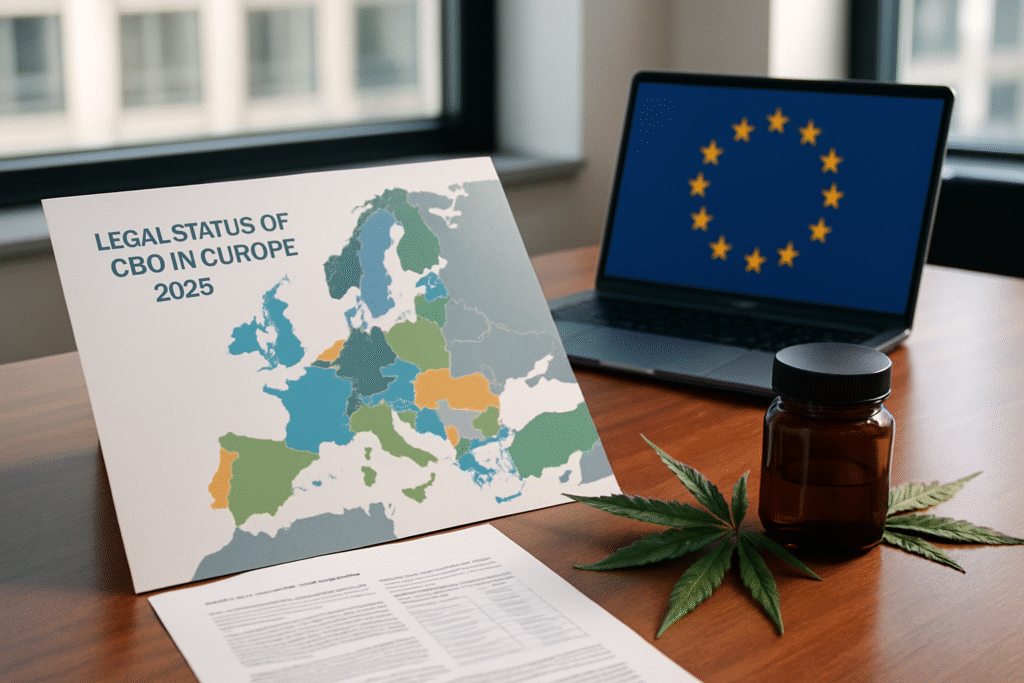

The legal landscape surrounding CBD in Europe is rapidly evolving as 2025 unfolds, reflecting a complex interplay of regulatory frameworks, scientific research, and shifting societal attitudes. As demand for cannabidiol products surges, European countries navigate varying approaches to legality, ranging from permissive to restrictive policies. Businesses and consumers alike face the challenge of understanding the nuanced restrictions and permissions that govern CBD’s production, sale, and consumption across the continent. Unlike a unified market, Europe’s patchwork of laws requires stakeholders to stay vigilant and informed to ensure compliance and capitalize on emerging opportunities within the legal hemp sector.
Emerging trends include increasingly stringent Novel Food regulations, diverse THC tolerance levels, and a gradual but uneven movement toward harmonization spurred by scientific evidence of cannabinoids’ therapeutic potential. This article delves deep into the multifaceted legal status of CBD in Europe for 2025, elucidating current regulations, highlighting country-specific exceptions, and offering practical guidance to navigate this dynamic landscape with confidence and clarity.
Understanding Regulatory Complexities: The Legal Framework of CBD in Europe 2025
The European market for CBD products is shaped by a closely watched regulatory environment characterized by fragmentation and ongoing adaptation. Central to this is the European Union’s Novel Food Regulation, which classifies CBD extracts as novel foods requiring stringent safety assessments and authorization from the European Food Safety Authority (EFSA). While this sets a baseline regulatory scaffold, enforcement and interpretation vary significantly among member states.
Key points shaping the legal framework include:
- Novel Food Authorization: Since 2023, all CBD products intended for human consumption must have EFSA approval to enter the market legally, pushing companies to submit comprehensive safety dossiers detailing production methods, toxicology, and intended use.
- THC Limits: The psychoactive compound THC is tightly regulated with a general threshold of 0.2% maximum concentration in hemp-derived products, although countries like Switzerland permit up to 1%, reflecting a more tolerant stance.
- Minor Cannabinoids Regulation: Other cannabinoids like CBN and CBG remain in legal gray zones, with ongoing EFSA evaluations delaying their market approval despite emerging scientific interest.
For example, a CBD oil product legally sold in Germany under the 0.2% THC limit and Novel Food authorization might face legal hurdles if imported into France, where a zero-tolerance THC policy is enforced, especially regarding raw hemp flowers. This illustrates why understanding the nuances of national legislation is indispensable for market participants aiming to navigate Europe’s multifaceted legal hemp environment successfully.
| Regulatory Aspect | EU-wide Standard | Variations Among Countries |
|---|---|---|
| Novel Food Authorization | Mandatory EFSA approval for CBD products | UK maintains independent system; France enforces strict interpretations |
| THC Threshold | Generally 0.2% THC | Switzerland allows 1%; Italy 0.5%; France strictly 0% |
| Minor Cannabinoids | Under evaluation by EFSA | Market presence varies; denied in France; gray market in Germany |
To navigate this environment, companies should prioritize thorough product testing, maintain detailed compliance records, and stay abreast of evolving regulations, referencing trusted resources like guides on regional CBD legality to avoid unexpected regulatory pitfalls. Understanding these frameworks is critical for maintaining a competitive edge in the EuropeCBD2025 market.

Country-by-Country Overview: Navigating CBD Legal Status and THC Limits in Europe 2025
One of the most critical challenges in understanding CBD legality in Europe is the stark variation in THC regulatory thresholds and product allowances among countries. Despite the overarching EU framework, national laws dictate practical market realities:
- Germany: Germany continues to pioneer a comprehensive cannabis legalization roadmap. The hemp THC limit is gradually increasing from 0.2% to 0.3%, aligned with expected EU standard harmonization. Medical cannabis is fully legalized, and recreational legalization is anticipated by 2026. Only products with EFSA-approved Novel Food status are permitted, though minor cannabinoids remain pending approval.
- France: France enforces some of the strictest policies in Europe, maintaining a 0% THC limit in final products, banning raw hemp flowers, and approving only processed extracts. Their medical cannabis pilot program remains limited with significant restrictions on patient access. These policies have led many French CBD companies to relocate operations to more lenient markets.
- Switzerland: While not an EU member, Switzerland’s progressive approach allows up to 1% THC in hemp products and offers broad medical cannabis access. Recreational use is decriminalized under possession limits, making their market a notable outlier within Europe.
- Netherlands: The Dutch system balances tolerance and regulation, with hemp THC limits of 0.2% but more relaxed recreational allowances through the coffeeshop system. Recent legislation caps THC in cannabis edibles at 5 mg per serving, influencing product development and sales.
- United Kingdom: Following Brexit, the UK adheres to EU Novel Food regulations but operates an independent licensing framework for cannabinoid products. The legal THC limit in hemp remains at 0.2%, with medical cannabis permitted and recreational use still illegal but decriminalized in many contexts.
These disparities complicate cross-border trade and consumer understanding. For instance, a CBD isolate compliant in Switzerland with 0.9% THC would be illegal in France due to its zero-tolerance THC policy. This situation underscores the importance of localized strategies and well-informed compliance, as summarized in the table below.
| Country | Hemp THC Limit | Medical Cannabis Status | Recreational Cannabis Status | Novel Food Enforcement |
|---|---|---|---|---|
| Germany | 0.2% → 0.3% | Fully Legal | Legalization Expected 2026 | Strict |
| France | 0% | Pilot Program Only | Fully Prohibited | Strict |
| Switzerland | 1.0% | Legal | Decriminalized | Not Applicable (non-EU) |
| Netherlands | 0.2% | Fully Legal | Tolerated (Coffee Shop System) | Moderate |
| United Kingdom | 0.2% | Legalized Medical Use | Illegal (Decriminalized) | Enforced Independently |
For businesses and consumers alike, tapping into authoritative resources like global CBD legal overview platforms or travel law guidelines for CBD can clarify potential risks and legal considerations while navigating the LegalCBDZone across Europe’s varied jurisdictions.
Novel Food Regulation and Its Impact on CBD, CBG, and CBN Markets Across Europe
As a cornerstone of CBDLegalEurope regulation, the EU Novel Food Regulation shapes the commercial landscape for cannabinoid products. This legislation targets safety, traceability, and consumer protection by requiring pre-market authorization for any food product containing novel substances, including cannabinoids like CBD, CBG, and CBN.
The following aspects define the Novel Food landscape:
- Safety Assessment Requirements: Companies must submit detailed toxicological data, production method descriptions, and estimated daily intake information to EFSA, which rigorously evaluates such applications.
- Current Approvals and Pending Applications: As of 2025, only a handful of narrowly defined CBD isolates and synthetic CBD products have received authorization, with over 150 applications pending, causing bottlenecks in the market.
- CBG and CBN Status: Neither CBG nor CBN has received Novel Food authorization yet. Their emerging therapeutic promise is acknowledged, but regulators demand more long-term safety data before granting market access.
For instance, a manufacturer hoping to launch a CBG-infused wellness product must contend with this regulatory uncertainty, balancing market demand against potential enforcement risks. The novelty of these cannabinoids complicates commercial strategies, especially as EFSA tends to take a precautionary stance toward substances with psychoactive potential or insufficient clinical data.
| Cannabinoid | Novel Food Authorization Status | Regulatory Challenges | Market Implications |
|---|---|---|---|
| CBD | Limited Approvals; Majority Pending | Long-term safety data required; THC contamination concerns | Widespread market delays; need for cautious labeling |
| CBG | No Approvals Yet | Insufficient toxicology data; regulatory uncertainty | Gray market sales; inhibited innovation |
| CBN | No Approvals Yet | Psychoactivity concerns; limited clinical evidence | Little legal market presence |
Strategically, companies benefit from early investment in clinical studies and toxicological research to build the necessary dossiers, positioning themselves ahead for eventual Novel Food approval and capitalizing on emerging consumer interest. Continued monitoring of the EFSA’s updates remains vital, in conjunction with consulting scientific insights about cannabinoids’ health effects.
Special National Policies: France, Germany, and the Netherlands Driving Unique CBD Legal Frameworks
EuropeHempStatus in 2025 is heavily influenced by distinct national exceptions that illustrate divergent policy paths, particularly in France, Germany, and the Netherlands. These countries serve as case studies for how legal frameworks can develop in response to cultural, political, and economic pressures.
- France: Maintaining Europe’s strictest stance, France demands zero THC in CBD consumer products and bans raw hemp flowers, despite EU court rulings. The country’s cautious position stems from concerns about public health and the protection of minors, backed by recent reports emphasizing the need for further scientific exploration. Consequently, domestic companies face operational challenges, pushing some to relocate to friendlier jurisdictions.
- Germany: Emerging as a European cannabis legalization leader, Germany is advancing medical and recreational frameworks with pragmatic approvals and increasing THC limits for hemp. Extensive clinical data support the expansion of cannabis therapies, and the government is actively fostering a regulated commercial market. This progressive environment has generated opportunities for innovation and market entry uncommon elsewhere in Europe.
- Netherlands: The Dutch tradition of tolerance continues, with regulated coffeeshop sales and pilot programs transitioning toward legalization, although supply-side inconsistencies remain. Restrictions on THC concentrations in edibles and flowers illustrate efforts to balance public health with consumer freedoms. This pragmatic approach has fostered a mature cannabis economy with transparent regulation and ongoing reforms.
| Country | THC Policy | Medical Cannabis Availability | Recreational Cannabis Status | Business Environment |
|---|---|---|---|---|
| France | 0% THC tolerated in products; 0.2% for industrial hemp cultivation | Pilot program limited to select conditions | Fully prohibited | Hostile; many businesses relocate |
| Germany | 0.3% THC hemp limit; 10% max THC for recreational products | Extensive medical program; reimbursement included | Legalization roadmap progressing | Supportive; rapidly growing market |
| Netherlands | 0.2% THC hemp limit; 15% THC cap for recreational flowers | Full medical access; Bedrocan monopoly | Tolerated; coffeeshop system functional | Moderate; ongoing reforms |
Understanding these nuanced national policies is crucial for stakeholders aiming to optimize product offerings or market entry strategies. It also highlights the broader challenges of achieving unified European CBDRegulationsEU while respecting member states’ sovereignty and public health priorities.
Practical Compliance: Import, Export, and Staying Within Legal Limits Across Europe
With multiple regulatory layers governing CBD products, companies face significant challenges in maintaining compliance during import and export operations. EU-wide frameworks establish documentation standards, but national authorities can impose additional requirements, necessitating thorough preparedness.
Important considerations for legal import/export include:
- Certificate of Analysis (CoA): Exhibiting cannabinoid profiles, contaminant levels, and compliance with THC limits varying from 0.0% to 1.0% depending on the destination.
- Commercial Invoice Compliance: Proper product descriptions aligned with Harmonized System (HS) codes—careful avoidance of terms such as “cannabis” in restricted markets to prevent seizure.
- Novel Food Documentation: Required for CBD-containing food supplements in many countries, ensuring product legitimacy and rider safety.
For example, exporters shipping CBD oil to Germany must secure BfArM special import licenses for medical cannabis products alongside ensuring batch-specific GMP certifications. Conversely, France demands double-tested CoAs and CEO attestations for zero THC content, with any flowers triggering a ban.
| Compliance Element | General EU Requirement | Country-Specific Notes |
|---|---|---|
| Certificate of Analysis | ISO 17025-accredited lab reports detailing THC limits & contaminants | France requires 0% THC certification; Germany mandates <0.2%-0.3% THC depending on timing |
| Commercial Invoice | Clear HS code and product description aligned with EU customs standards | Use 1212.99.00 for hemp flowers; avoid restricted terminology in France |
| Novel Food Authorization | EFSA approval number mandatory for food products with cannabinoids | UK follows independent system; strict enforcement in Germany and France |
Failing to meet these requirements can lead to shipment delays, confiscations, or fines, highlighting the importance of engaging specialized cannabis logistics partners knowledgeable in EU and national laws. Industry best practices include quarterly lab testing, transparent product labeling, and active participation in regulatory updates through platforms like the comprehensive global CBD legal reviews to remain ahead of compliance challenges.
Is CBD legal across all European countries in 2025?
No, while most European countries allow CBD products with low THC content and proper authorization, certain countries like France maintain strict restrictions. Compliance depends on national laws within the EU framework.
What are the typical THC limits for CBD products in Europe?
Generally, most EU countries set hemp THC limits at 0.2%, with some exceptions like Switzerland allowing up to 1%. France enforces a zero-tolerance THC policy for consumer products.
Do CBG and CBN have the same legal status as CBD in Europe?
No, CBG and CBN are still under evaluation by EFSA and lack Novel Food authorization, rendering their legal status more uncertain compared to CBD, which has limited approvals.
What documentation is required to import CBD products into the EU?
Essential documents include a Certificate of Analysis from an accredited lab, a detailed commercial invoice with proper HS codes, and Novel Food authorization if applicable. Additional country-specific licenses might be necessary.
How can businesses ensure ongoing compliance with evolving CBD regulations in Europe?
Businesses should conduct regular product testing, maintain thorough documentation, monitor regulatory updates, and consult legal experts. Participation in industry associations also helps stay informed on changes like CBDCompliance2025 or EUHempPolicy adjustments.