
In recent years, cannabidiol (CBD) has emerged as a popular natural remedy for anxiety, attracting extensive attention from researchers, healthcare professionals, and consumers alike. Anxiety disorders affect millions worldwide, prompting an urgent need for effective treatments that minimize adverse effects commonly associated with conventional medications. CBD, a non-psychoactive compound derived from the Cannabis sativa plant, has been investigated for its potential to soothe anxiety symptoms without the intoxicating effects of THC. This growing interest is supported by a growing body of scientific evidence and meta-analyses conducted on clinical trials exploring CBD’s impact on generalized anxiety disorder, social anxiety disorder, and post-traumatic stress disorder.
Leading brands such as Charlotte’s Web, Medterra, and CBDistillery have contributed to making high-quality CBD products accessible, fostering greater confidence among users seeking natural alternatives. As 2025 unfolds, understanding the scientific landscape around CBD’s efficacy, safety, and mechanisms of action is pivotal for consumers and clinicians aiming to integrate CBD into anxiety management protocols. This article delves into the latest research insights, clinical evidence, dosage considerations, and product quality assessments that shape the dialogue on CBD’s role in anxiety treatment today.
Scientific Evidence Supporting CBD’s Role in Anxiety Management
Cannabidiol’s therapeutic potential in neuropsychiatric disorders has been a major focal point of recent scientific studies. One pivotal meta-analysis published in 2024 combined data from eight high-quality clinical trials, encompassing 316 participants diagnosed with various anxiety disorders, including generalized anxiety disorder (GAD), social anxiety disorder (SAD), and post-traumatic stress disorder (PTSD). This analysis showed a statistically significant reduction of anxiety symptoms with a considerable effect size (Hedges’ g = -0.92), highlighting CBD’s promise as an anxiolytic agent.
The physiological basis for CBD’s anxiolytic effects lies in its interaction with the endocannabinoid system, particularly its modulation of serotonin 5-HT1A receptors, which play a crucial role in mood regulation. Unlike THC, CBD does not bind directly to cannabinoid receptors but influences the nervous system through indirect pathways, thereby reducing anxiety without the euphoria or cognitive impairment associated with psychoactive cannabis use.
Beyond these direct effects, CBD exhibits anti-inflammatory, antioxidant, and neuroprotective properties that may contribute to overall brain health and resilience against stressors. These complementary effects expand the therapeutic horizon beyond symptomatic relief, suggesting that regular CBD use could have a holistic impact on mental well-being.
Published Clinical Trials and Their Implications
- A randomized controlled trial involving patients with social anxiety disorder showed that a single dose of CBD significantly reduced anxiety during a public speaking test compared to placebo.
- Studies on generalized anxiety disorder reported improvements in sleep quality and overall anxiety symptoms after chronic administration of CBD oil at doses ranging from 300 to 600 mg daily.
- Research examining PTSD patients found that CBD reduced the frequency and intensity of nightmares and flashbacks, suggesting a protective effect on trauma-related memory consolidation.
These findings align with observations from healthcare professionals who note reduced side effects and better adherence to CBD treatments compared to traditional anxiolytics, such as benzodiazepines. Brands like Joy Organics and Green Roads emphasize rigorous quality controls and lab testing, ensuring consistent dosing and purity that may enhance therapeutic outcomes.
| Anxiety Disorder | CBD Dosage Range | Clinical Outcomes | Study Reference |
|---|---|---|---|
| Generalized Anxiety Disorder (GAD) | 300-600 mg daily | Reduced anxiety and improved sleep | Han et al., 2024 Meta-Analysis |
| Social Anxiety Disorder (SAD) | Single 600 mg dose | Lower anxiety during public speaking | Randomized Controlled Trial, 2023 |
| Post-Traumatic Stress Disorder (PTSD) | 200-400 mg daily | Decreased nightmares and flashbacks | Clinical Study, 2023 |
Understanding the dosing strategies and therapeutic windows is essential when exploring CBD for anxiety. Clinicians and patients often start with lower doses and carefully escalate depending on symptoms and individual response. More research remains necessary to establish standardized protocols suitable for widespread clinical use.
Quality Control and the Importance of Lab-Tested CBD for Anxiety Relief
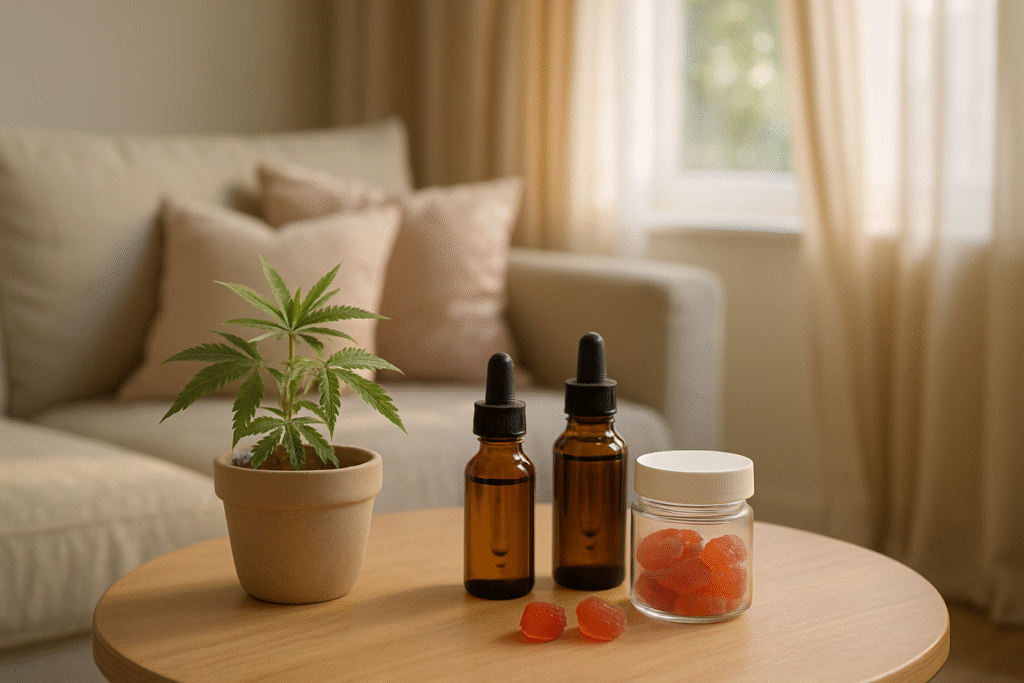
With the surge in CBD’s popularity for anxiety relief, concerns about product quality and potency have emerged. The marketplace in 2025 features an expansive array of CBD products ranging from oils, tinctures, capsules, to flower varieties. However, not all products are created equal. Reliable, lab-tested CBD offerings provide the clearest path to safe and effective anxiety management.
Reputable brands such as Lazarus Naturals, Elixinol, and Penguin CBD prioritize transparency by providing Certificates of Analysis (COAs) from third-party labs. These reports confirm cannabinoid concentrations, absence of contaminants like heavy metals, pesticides, and residual solvents, and verify compliance with legal THC limits. Consumers who emphasize lab-tested CBD reduce risks associated with inconsistent formulations and potentially harmful adulterants.
Recent insights into organically grown CBD also reveal better cannabinoid profiles and fewer impurities compared to conventionally grown hemp. This supports the holistic benefits of organic cultivation and its impact on anxiety symptom management, underscored in articles exploring the benefits of organically grown CBD. The synergy of phytochemicals in full-spectrum or broad-spectrum formulations may amplify anxiolytic effects, a point of interest for both scientific research and consumer appeal.
- Transparency via COAs ensures product consistency and safety
- Organic hemp cultivation enhances cannabinoid and terpene profiles
- Broad-spectrum and full-spectrum products leverage the entourage effect
- Vigilance against contaminants protects vulnerable anxiety patients
- Trusted brands offering lab-verified CBD foster consumer confidence
| Brand | Certification | Testing Focus | Notable Features |
|---|---|---|---|
| Lazarus Naturals | Third-party lab tested | Cannabinoid potency, contaminants | Affordable, effective, high quality |
| Elixinol | Certificate of Analysis | Pure CBD content, pesticides | Full spectrum options with organic hemp |
| Penguin CBD | Lab verified | Heavy metals, residual solvents | Vegan formulations and transparent sourcing |
For consumers exploring CBD for anxiety, understanding the importance of lab-tested CBD is essential. Selecting products from companies that uphold strict quality standards reduces the risk of side effects and maximizes therapeutic potential.
Integrating CBD into Anxiety Treatment: Therapeutic Strategies and Considerations
Although CBD offers promising benefits, it is crucial to appreciate how it fits within the broader anxiety treatment landscape. Healthcare experts advocate for a cautious and informed approach, emphasizing the importance of consultation with clinicians before incorporating CBD products, especially for individuals currently on other medications.
CBD’s interaction with cytochrome P450 enzymes implicates potential drug interactions, necessitating dosage adjustments and monitoring when combined with pharmaceuticals such as antidepressants or benzodiazepines. Careful titration beginning with low doses followed by gradual increases helps identify an effective and tolerable dose tailored to individual needs.
- Consult healthcare professionals before starting CBD
- Start with low doses; monitor symptom changes
- Avoid sudden discontinuation of prescribed anxiolytics
- Use CBD as a complement, not replacement, for therapy
- Consider combining with behavioral interventions like cognitive behavioral therapy
The evolving evidence base also explores synergies between CBD and cognitive behavioral therapy (CBT) in anxiety management. Recent multi-year grants awarded to leading institutions like Wayne State University underpin innovative studies examining whether CBD enhances CBT’s effectiveness for generalized anxiety disorder.
Moreover, premium CBD brands such as Joy Organics and Green Roads incorporate user feedback into product formulation, emphasizing bioavailability and ease of use, which are vital for adherence. Consumers benefit most when CBD is integrated thoughtfully, respecting individual health profiles and broader therapeutic goals.
Consumer Experiences and Market Trends for CBD and Anxiety in 2025
In 2025, the CBD anxiety relief market continues to expand, with an increasing number of individuals sharing testimonials praising its calming effects on everyday stress and chronic anxiety. These personal experiences reiterate scientific findings, reinforcing CBD as a credible adjunct treatment option.
Companies such as Fab CBD, NuLeaf Naturals, and Medterra have capitalized on these market trends by developing specialized anxiety-focused formulations that combine cannabinoids with complementary compounds such as melatonin or ashwagandha for enhanced support.
However, consumer education remains critical. Variations in CBD bioavailability and product formulations mean results can vary widely. Awareness campaigns and resources like comprehensive guides on CBD usage equip consumers with knowledge to make informed choices, ensuring safe and effective use.
- Rising demand for anxiety-specific CBD blends
- Incorporation of adaptogens and natural sleep aids alongside CBD
- Growing emphasis on user reviews to build product trust
- Enhanced online access to lab testing and product transparency
- Focus on sustainable and ethical CBD sourcing
| Brand | Product Type | Special Features | Primary Audience |
|---|---|---|---|
| Fab CBD | CBD oils, gummies | CBD with natural sleep aids | Individuals with sleep-related anxiety |
| NuLeaf Naturals | Full-spectrum CBD tinctures | High bioavailability, organic sources | Chronic anxiety sufferers |
| Medterra | Isolate and broad-spectrum oils | THC-free options, third-party tested | Medication-sensitive users |
Ongoing Challenges and Future Directions in CBD Anxiety Research
Despite promising advances, significant challenges persist in the quest to fully endorse CBD as a front-line treatment for anxiety. Many clinical trials still feature limited sample sizes and short durations, constraining the generalizability of results. The meta-analysis by Han et al. (2024) specifically calls for larger scale studies to confirm safety profiles and optimize dosages tailored to anxiety subtypes.
Additional research is also needed to clarify the long-term effects and potential withdrawal symptoms associated with chronic CBD use, as well as its impact on diverse populations including pediatric and elderly patients. Regulatory uncertainties continue to complicate access and standardization, highlighting the need for harmonized guidelines worldwide.
- Need for larger, longer-term randomized controlled trials
- Examination of CBD’s efficacy across various anxiety subpopulations
- Understanding long-term safety and dependency risks
- Development of standardized dosing regimens
- Resolving regulatory and legal complexities for consistent access
Brands such as Charlotte’s Web and CBDistillery are leading advocacy efforts to support scientific research and regulatory clarity. As the field advances, integrating real-world evidence, consumer experiences, and evolving clinical data will crystallize CBD’s true place in anxiety management.
For more detailed insights on the science behind CBD and its benefits, consult resources like CBD oil science overview and CBD understanding in 2025. These provide foundational knowledge for anyone interested in the latest developments in this rapidly evolving domain.
Is CBD a safe option for managing anxiety symptoms?
Current research, including peer-reviewed studies, suggests that CBD is generally well-tolerated with a favorable safety profile. However, individual reactions vary, and it is important to begin treatment under professional guidance.
How does CBD compare to traditional anxiety medications?
CBD offers anxiolytic benefits without many side effects typical of benzodiazepines, such as sedation or dependence risks. While not a replacement, it serves as a complementary treatment option.
Can I use CBD alongside other medications?
CBD can interact with certain pharmaceuticals. It is crucial to consult healthcare providers before combining CBD with other medications to avoid adverse effects.
What types of CBD products are best for anxiety relief?
Full-spectrum or broad-spectrum CBD oils with verified lab testing are often recommended, as they contain a variety of cannabinoids and terpenes that may enhance efficacy.
Are there FDA-approved CBD treatments for anxiety?
As of now, the FDA has approved CBD only for rare seizure disorders, not for anxiety. Any CBD use for anxiety remains off-label and should be carefully monitored.