
With the surge of cannabidiol (CBD) into the wellness mainstream, discerning the quality of CBD products has never been more critical. Consumers today face an overwhelming number of options, from tinctures and vapes to topical applications, each promising various benefits—from anxiety relief to enhanced sleep quality. But the reality is that the quality and safety of these products vary significantly. This disparity underscores the importance of understanding what sets a high-quality CBD product apart from substandard alternatives that may not just be ineffective but potentially harmful. Navigating this landscape requires knowledge of key indicators such as lab certification, third-party testing, the extraction method, and stringent adherence to product transparency. Equipped with these insights, consumers can make educated choices that align with their unique wellness goals, ensuring they reap the authentic benefits of CBD without compromise.
Identifying Authenticity Through Third-Party Lab Testing and CBD Purity
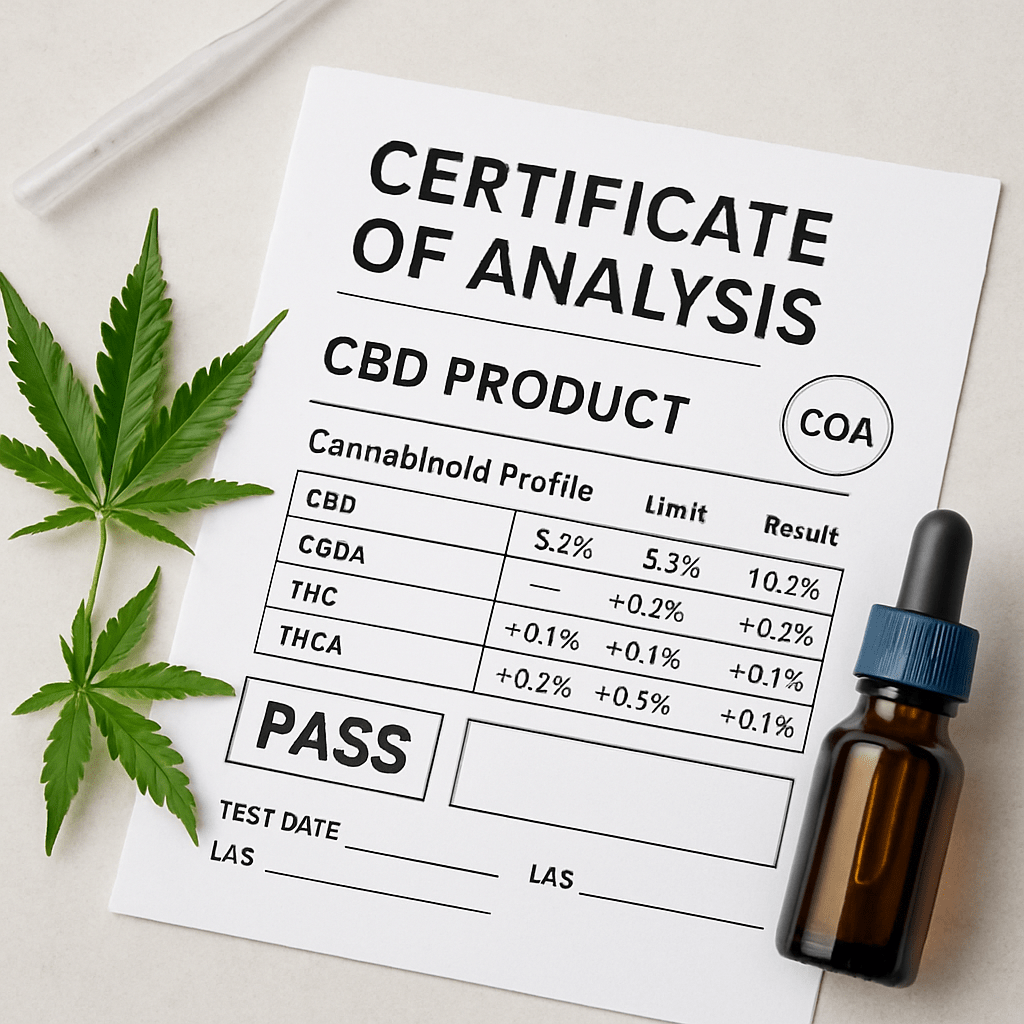
A cornerstone in evaluating a high-quality CBD product is the presence of third-party testing. This process involves independent laboratories analyzing each production batch, ensuring the product’s cannabinoid profile and safety standards are as claimed. Authenticity begins with a transparent Certificate of Analysis (COA), which details the contents including CBD concentration, levels of THC content (regulated federally to below 0.3%), and the absence or presence of contaminants such as pesticides, heavy metals, and residual solvents.
For example, Bay State Extracts, a reputable supplier, posts comprehensive COAs for every batch, adhering to rigorous safety benchmarks and providing healthcare-conscious buyers with confidence. Without access to these verified COAs, consumers risk using products lacking in potency or infused with harmful substances, which contradicts the very purpose of seeking health benefits.
- CBD Purity validated through third-party lab analysis ensures no deceptive additives or synthetic cannabinoids are present.
- THC Content compliance reassures users of the product’s legality and minimal psychoactive effects.
- Absence of microbial contaminants such as molds and bacteria guarantees safety upon consumption.
- Measurement of residual solvents confirms the cleanliness of extraction processes.
- Lab certification acts as a benchmark for product reliability and safety.
| Parameter | What to Expect in a High-Quality CBD Product | Significance |
|---|---|---|
| CBD Concentration | Exact mg per mL or gram matching label claim | Ensures efficacy and dosing accuracy |
| THC Percentage | Less than 0.3% federally compliant | Legal requirement to avoid psychoactive effects |
| Contaminants | Non-detectable or below regulatory limits | Ensures consumer safety and health |
| Residual Solvents | Non-detectable or minimal levels | Confirms clean extraction methods |
For those venturing into the world of CBD, understanding the legitimacy of a product’s purity via third-party lab reports is a vital step in selecting a safe and potent offering. Resources describing the nuances of third-party testing provide invaluable guidance for consumers eager to delve deeper.
The Role of Organic Cultivation and Its Impact on CBD Quality
Quality CBD begins at the source — the hemp plant. Organic cultivation practices dramatically influence the purity and potency of a CBD product by preventing the presence of undesirable agrochemicals, heavy metals, and environmental toxins. Due to hemp’s nature as a bioaccumulator, it absorbs everything from the soil, amplifying contaminants if grown improperly. This makes the origin and farming methods critical factors in product quality.
Reputable producers prioritize sourcing from farms certified by authorities like the USDA or MDAR, ensuring adherence to strict environmental standards. This stewardship safeguards the product from heavy metals and pesticides, preserving the plant’s natural cannabinoid profile.
- Organic cultivation eliminates harmful pesticides, herbicides, and synthetic fertilizers.
- Certified hemp farms ensure soil is uncontaminated and monitored consistently.
- Responsible farming improves the overall cannabinoid profile, supporting efficacy.
- Transparent suppliers openly disclose farm sources, which correlates with product trustworthiness.
| Farming Aspect | Conventional Hemp Farming | Organic Hemp Farming |
|---|---|---|
| Pesticide Usage | Commonly used | Strictly prohibited |
| Soil Management | Variable, limited oversight | Certified, tested regularly |
| Environmental Impact | Potential contamination risk | Minimized ecological footprint |
| Transparency | Often undisclosed | Fully disclosed and traceable |
Understanding the importance of organic cultivation helps consumers make more informed decisions. For a deeper dive into benefits offered by premium CBD flower varieties, explore insights on high-quality CBD flower varieties.
Extraction Methods: Safety and Potency Implications
The extraction method employed to separate cannabinoids from the hemp plant profoundly affects the purity, safety, and potency of the final CBD product. Extraction techniques range from traditional solvents like ethanol to more advanced methods such as supercritical CO2 extraction. Each method has its advantages and potential drawbacks.
Food-grade ethanol extraction is widely recognized for yielding strong, clean oils while maintaining safety. Some manufacturers may use hydrocarbons, which require thorough purification to eliminate potentially harmful residual solvents. When poorly controlled, these leftovers can pose health risks, but certification through lab testing confirms safety.
- Food-grade ethanol extraction is effective and considered safe when residual solvents are verified via COA.
- Supercritical CO2 extraction offers high purity but is more expensive and complex.
- Hydrocarbon extraction requires diligent clearing of residual solvents to avoid toxic exposure.
- Cold-press or mechanical extraction maintains purity but typically yields lower cannabinoid potency.
| Extraction Method | Benefits | Potential Risks |
|---|---|---|
| Ethanol Extraction | Safe, efficient, maintains cannabinoid spectrum | Possible residual solvents if not properly purged |
| Supercritical CO2 | High purity, solvent-free final product | High cost and technical complexity |
| Hydrocarbon Extraction | Efficient extraction of cannabinoids | Health concerns due to residual solvents |
| Mechanical Extraction | Natural, no solvents used | Lower potency and yield |
Careful evaluation of extraction methods can guide users towards products that match their safety expectations and desired potency. More on the science and health benefits of CBD can be found in comprehensive articles addressing CBD oil science and health benefits.
Choosing the Right Spectrum: Full Spectrum vs Broad Spectrum vs Isolates
The cannabinoid spectrum of a product significantly influences its intended effects and personal suitability. Understanding the differences between full spectrum, broad spectrum, and CBD isolate products is crucial in curating a wellness routine that meets individual needs.
Full spectrum CBD contains all naturally occurring cannabinoids including traces of THC (within legal limits), terpenes, flavonoids, and other hemp compounds. This combination takes advantage of the “entourage effect,” where multiple cannabinoids synergize to enhance therapeutic benefits. Broad spectrum offers a similar profile but without THC, appealing to those cautious about THC exposure. Isolates contain only pure CBD, providing targeted effects without other cannabinoids.
- Full Spectrum: Best for users seeking comprehensive cannabinoid support, including low-level THC.
- Broad Spectrum: Ideal for those wanting to avoid THC while still benefiting from other cannabinoids.
- CBD Isolates: Suitable for individuals sensitive to other cannabinoids or who desire pure CBD effects.
| Product Type | Components | Ideal For |
|---|---|---|
| Full Spectrum | CBD, THC (<0.3%), other cannabinoids, terpenes | Maximum entourage effect and full-spectrum support |
| Broad Spectrum | CBD, other cannabinoids, terpenes (no THC) | THC-sensitive with wider cannabinoid benefits |
| Isolates | Pure CBD | Targeted effect, no other cannabinoids |
When selecting a product, consumers should consider their personal health goals—whether it’s anxiety relief, pain management, or cognitive clarity. For instance, CBD’s role in anxiety research highlights how spectrum choice can impact outcomes.
Why Customer Support and Product Transparency Matter in CBD Selection
Even with all technical criteria met, the consumer journey should be supported by accessible, clear communication and educational resources shared by the brand. Companies prioritizing product transparency openly provide detailed product descriptions, usage guides, and responsive customer service, empowering buyers to make confident, personalized decisions.
Vital indicators of trustworthiness include live support availability, comprehensive FAQs, and informative blogs. Customer reviews across platforms also reveal real-world user satisfaction and product performance. Products supported by education and active customer engagement show a commitment to consumer well-being beyond sales.
- Live chat or phone assistance for product questions and dosage guidance.
- Detailed FAQs and educational material addressing potential CBD side effects and benefits.
- Honest user reviews to validate product efficacy and reputation.
- Consistent updates on lab certifications and testing status.
- Transparency about sourcing and sustainable practices.
| Support Aspect | What to Expect | Benefit to Consumer |
|---|---|---|
| Customer Service | Responsive, knowledgeable representatives | Builds trust and personalized guidance |
| Educational Content | Blogs, videos, and FAQs | Informs safe and effective product use |
| Transparent Lab Certifications | COAs readily available | Ensures ongoing product confidence |
| Community Reviews | Authentic user feedback | Validates product claims and reputation |
Those seeking guidance can find a rich repository of information on choosing the right CBD product to fit their lifestyle and wellness objectives.
How can I be sure my CBD product is free of harmful contaminants?
Look for products that provide third-party lab testing and Certificates of Analysis showing non-detectable levels of pesticides, heavy metals, and microbial contaminants. This is a key indicator of product safety and purity.
Does full spectrum CBD contain psychoactive THC?
Full spectrum products contain up to 0.3% THC, which is federally legal and generally does not produce psychoactive effects at this concentration.
Why is the extraction method important for CBD quality?
Extraction methods influence the purity, potency, and safety of the final product. Proper methods like ethanol and CO2 extraction minimize residual solvents and toxins.
What benefits do broad spectrum CBD products offer over isolates?
Broad spectrum products provide multiple cannabinoids and terpenes for enhanced effects, minus THC, offering a balanced alternative for those avoiding THC.
How does customer support impact the quality of CBD brands?
Strong customer support and transparent product information reflect a brand’s commitment to trust and consumer satisfaction, helping customers choose safe and effective CBD solutions.